How the firm documenting 2025’s 47% attack surge became a victim of its own research—and why CVE-2024-24919 reveals systemic firewall vendor failures
Executive Summary
In a stunning display of irony, Check Point Software—the cybersecurity vendor that publishes the industry’s most comprehensive threat intelligence reports—suffered a critical zero-day vulnerability (CVE-2024-24919) in May 2024 that exposed 14,000 internet-facing Quantum Security Gateways to information disclosure attacks.
Marquis Ransomware Breach: When Third-Party Vendors Become the Weakest Link in Financial Services
The timing couldn’t be worse. Check Point’s own 2025 threat intelligence reveals:
- 47% increase in weekly cyberattacks per organization (Q1 2025 vs Q1 2024)
- 126% surge in ransomware attacks globally
- 2,289 ransomware incidents in Q1 2025 alone
- 1,925 average attacks per organization per week
- November 2025: 727 ransomware attacks (22% year-over-year increase)
Yet while Check Point researchers documented this unprecedented threat escalation, the company’s own products became exploitation targets—with CVE-2024-24919 added to CISA’s Known Exploited Vulnerabilities catalog just 3 days after disclosure, and exploitation beginning within 24 hours of the proof-of-concept release.
This creates a fundamental paradox: Can we trust firewall vendors to protect our infrastructure when they cannot secure their own products?
The answer matters more than ever, because Check Point’s 2025 research shows we’re facing:
- Education sector: 4,656 weekly attacks (highest targeted)
- Healthcare: 47% year-over-year increase (second most targeted)
- Cl0p ransomware: Exploiting Oracle EBS zero-days in months-long campaign
- Akira ransomware: Pivoting from Cisco to multi-vendor targeting
- GenAI risks: 1 in 35 prompts leak sensitive data across 87% of organizations
This is Check Point’s cautionary tale—and why the fourth firewall vendor in our series demonstrates that no vendor is immune to the very threats they profit from documenting.
 Breached CompanyBreached Company
CVE-2024-24919: The Zero-Day That Humbled Check Point
The Discovery and Disclosure Timeline
May 24, 2024: Check Point discovered suspicious login attempts on VPN clients targeting old local accounts with weak passwords where 2FA was not available. An incident response team was immediately created.
May 27, 2024: Check Point released security advisory for CVE-2024-24919, acknowledging in-the-wild exploitation of their own products.
May 30, 2024:
- watchTowr Labs published technical analysis with working proof-of-concept exploit
- CISA added CVE-2024-24919 to KEV catalog—one of the fastest KEV additions ever (just 3 days after disclosure)
- Federal agencies given deadline of June 20, 2024 to remediate
- First mass exploitation attempts begin
May 31, 2024 9:40am UTC: GreyNoise sensors detect widespread exploitation using PoC code identical to watchTowr’s public release—including the exact number of ../ path traversal sequences.
Early June 2024: “Ghost Clan Malaysia” hacktivist group shares vulnerable IP addresses of Check Point Security Gateways on underground forums, accelerating exploitation.
The Technical Vulnerability
CVE-2024-24919 (CVSS 8.6 - High)
- Type: Information Disclosure via Path Traversal
- Impact: Read arbitrary files on affected devices
- Authentication Required: None
- User Interaction: None
- Attack Complexity: Low
The Exploit:
POST /clients/MyCRL HTTP/1.1
Host: <vulnerable_gateway>
Content-Length: 39

aCSHELL/../../../../../../../etc/passwd
This trivial one-line curl request could retrieve:
/etc/passwd- All local user accounts/etc/shadow- Password hashes/etc/ssh/- SSH private keys- Active Directory connection credentials
- ntds.dit database - Complete AD user/group/password hash dump
Watchtowr Labs successfully reverse-engineered the patch in under 2 days and discovered Check Point had significantly downplayed the severity. The vendor initially described it as reading “certain information” when it actually allowed reading any file on the system.
Affected Products (14,000+ Devices Exposed)
Products Vulnerable:
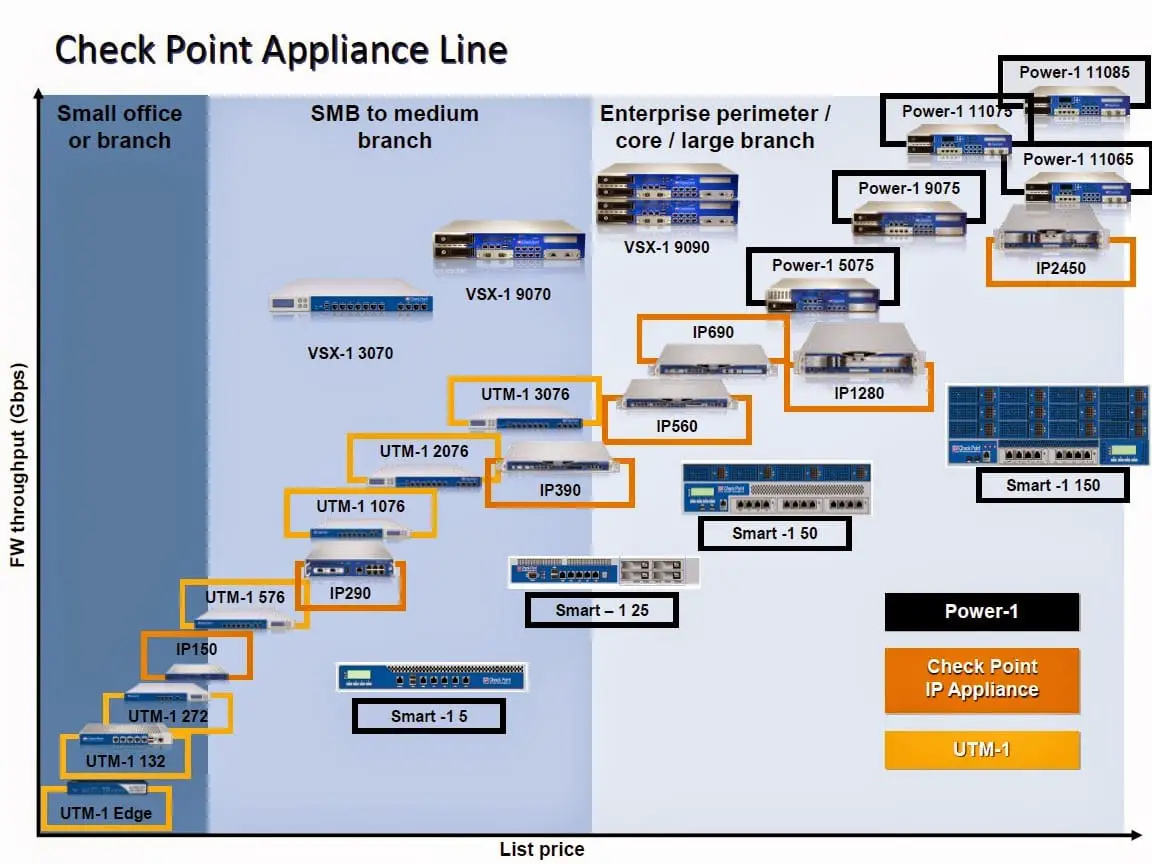
- CloudGuard Network
- Quantum Maestro
- Quantum Scalable Chassis
- Quantum Security Gateways
- Quantum Spark Appliances
Versions Affected:
- R80.20.x
- R80.20SP (EOL)
- R80.40 (EOL)
- R81
- R81.10
- R81.10.x
- R81.20
Configuration Requirements for Exploitation:
- Internet-connected gateway
- IPSec VPN, Remote Access VPN, or Mobile Access Software Blades enabled
Shodan Search Results: Approximately 32,000 Check Point instances exposed to internet, with ~14,000 confirmed vulnerable based on version analysis.
Real-World Exploitation
Mnemonic Security observed attackers:
- Exploiting CVE-2024-24919 to enumerate local accounts
- Extracting password hashes for all accounts
- Specifically targeting the account used to connect to Active Directory
- Dumping ntds.dit from victim networks within 2-3 hours of initial access
- Using compromised credentials for lateral movement
- Misusing Visual Studio Code to tunnel malicious traffic through VPN
Attack Pattern:
Initial Access (CVE-2024-24919)
    ↓
Extract /etc/shadow hashes
    ↓
Crack weak passwords / use known defaults
    ↓
VPN authentication with compromised credentials
    ↓
Dump Active Directory (ntds.dit)
    ↓
Lateral Movement across entire domain
    ↓
Establish persistence / Deploy ransomware
The GreyNoise Analysis: Exploitation Timeline
GreyNoise’s honeypot network captured fascinating exploitation patterns:
May 30, 2024 5pm UTC: First attempted exploits detected from Taiwan IP (125.229.221.55)
- Payload:
/clients/MyCRL/../../../..//etc/passwd - This payload doesn’t actually work—someone pressed the button before testing
- Same IP had been scanning for HNAP-enabled devices earlier that day
May 31, 2024 9:40am UTC: First working exploits from New York IP (45.88.91.78)
- Payload:
aCSHELL/../../../../../../../etc/shadow - Suspiciously identical to watchTowr’s published PoC
- This IP had previously been scanning for Cisco ASA appliances
Exploitation Ramped Rapidly:
- Multiple scanning campaigns emerged within hours
- Various path traversal variations tested
- Difficult to determine attacker intent (which files being targeted)
- Exploitation became widespread within 48 hours of public PoC
 Security Careers HelpSecurity Careers
“Unfortunately, we didn’t directly observe the 0-day exploitation prior to the advisory being released; presumably, the attacks were targeted and didn’t hit our sensor network… With a public proof of concept out, and exploitation quickly ramping up, we recommend patching Check Point as soon as possible!”
Why This Matters: The Downplay Factor
Check Point’s Initial Description (May 27):
“The vulnerability potentially allows an attacker to read certain information on Internet-connected Gateways…” Watchtowr Labs’ Analysis (May 30):
Check Point was significantly downplaying the severity. This is actually a path traversal leading to arbitrary file read, allowing attackers to access any file on the appliance, not just “certain information.” Translation: Check Point tried to minimize public perception of the vulnerability’s severity, likely to reduce exploitation velocity. This backfired when researchers published the real capabilities, accelerating weaponization.
March 2025: Check Point Breached Again - The CoreInjection Incident
Just when you thought the CVE-2024-24919 lesson was learned, Check Point was breached again—or more accurately, a December 2024 breach was exposed in March 2025 by threat actor “CoreInjection.”
The March 30, 2025 Disclosure
CoreInjection posted on BreachForums offering to sell Check Point data for 5 Bitcoin (~$410,000):
Claimed Data:
- Internal network maps and architecture diagrams
- User credentials (hashed AND plaintext passwords)
- Employee contact information
- Sensitive project documentation
- Proprietary source code and binaries
- 121,120 accounts including 18,864 paying customers
- Admin portal access with ability to reset 2FA
Screenshots Provided:
- Check Point Infinity Portal admin dashboard
- API keys with “Admin” roles
- Ability to edit accounts and reset two-factor authentication
- Client data and contract details extending to 2031
Check Point’s Response (March 31, 2025):
“This is an old, known and very pinpointed event which involved only a few organizations and a portal that does not include customers’ systems, production or security architecture. This was handled months ago.”
The Timeline Controversy
Check Point Claims:
- Incident occurred December 2024
- Only 3 organizations affected
- “Limited access” via compromised portal credentials
- No customer systems, production, or security architecture affected
- Already investigated and contained
Security Researchers Question:
- Screenshots show 121,120 accounts (not “3 organizations”)
- Admin-level capabilities visible (edit accounts, reset 2FA)
- No public SEC filing from December 2024 (required for publicly traded company)
- Intrusion method never explained (“compromised credentials” but how?)
- CoreInjection has proven track record of credible leaks
Alon Gal (Hudson Rock CTO):
“To me, honestly, it leaves a lot of questions unanswered, but the scope of the breach is likely narrower than initially thought… Plus, there’s no mention of a public report or SEC filing from December 2024, raising transparency concerns for a listed company.”
CoreInjection’s Track Record
This isn’t CoreInjection’s first rodeo. Since appearing on BreachForums in March 2025, they’ve posted 5 listings targeting Israeli infrastructure:
- March 15: US industrial machinery company ($100K)
- March 16: Israeli international car company ($50K) - “Full control over Israeli network infrastructure”
- March 17: Clal Insurance - 400,000+ customer records from major Israeli insurer
- March 18: Israeli digital screen company (CCTV/displays)
- March 20: Israeli electrical products company ($30K)
- March 30: Check Point Software
Pattern: Focused campaign targeting Israeli critical infrastructure with proven sales history.
The Double Irony
First Irony (CVE-2024-24919): Security vendor documenting threats while their products are exploited
Second Irony (March 2025): Security vendor gets breached AGAIN while claiming the first breach “was handled months ago”
The Paradox Deepens:
- May 2024: CVE-2024-24919 exploited (disclosed)
- December 2024: Portal compromised via credentials (undisclosed)
- March 2025: CoreInjection exposes December breach publicly
- Throughout: Check Point publishing research on how other organizations fail at security
The Paradox: Check Point as Victim and Researcher
Check Point’s 2025 Threat Intelligence: The Defender’s View
While Check Point struggled with CVE-2024-24919 AND the December portal breach, their research teams were documenting the most severe threat landscape in history:
- 1,925 average weekly attacks per organization (47% increase YoY)
- 2,289 ransomware incidents globally (126% increase YoY)
- 2,063 new ransomware victims on leak sites (102% increase vs Q1 2024)
Regional Breakdown:
- Latin America: 108% YoY increase (2,640 weekly attacks) - Most dramatic growth
- Africa: 3,286 weekly attacks (highest absolute average, 39% increase)
- APAC: 2,934 weekly attacks (38% increase)
- Europe: 1,612 weekly attacks (57% increase)
- North America: 1,357 weekly attacks (40% increase)
Industry Targeting (Q1 2025):
- Education: 4,484 weekly attacks (7% YoY increase) - Most targeted for 5th consecutive year
- Government: 2,716 weekly attacks (2% YoY increase)
- Telecommunications: 2,664 weekly attacks (94% YoY increase - highest percentage growth)
- Associations/Non-Profits: 2,550 weekly attacks (57% YoY increase)
November 2025 Update:
- 2,003 average weekly attacks (3% increase from October, 4% vs November 2024)
- 727 ransomware incidents (22% YoY increase)
- North America: 55% of all ransomware victims
- United States: 52% of global ransomware cases
The Irony: Research vs. Reality
Check Point Documents:
- “96% of exploits in 2024 leveraged vulnerabilities disclosed prior to the year” - emphasizing patch management importance
- “Edge Device Exploitation: Compromised routers, VPNs, and other edge devices served as key entry points”
- “Over 200,000 devices controlled by advanced botnets like Raptor Train”
Check Point Experiences:
- Their own VPN devices became the exploited edge infrastructure
- CVE-2024-24919 was exploited before public disclosure (targeted attacks in May 2024)
- 14,000+ of their own devices remained vulnerable and internet-exposed
- Attackers used Check Point gateways as entry points exactly as their research described
The Cognitive Dissonance: Check Point’s threat intelligence accurately describes the problem (edge devices as attack vectors) while simultaneously being the problem (their edge devices are the attack vectors).
The 2025 Ransomware Surge: Check Point’s Data
Q1 2025: Record-Breaking Quarter
Check Point’s research reveals unprecedented ransomware activity:
Volume:
- 2,289 ransomware incidents globally (126% YoY increase)
- 2,063 victims on leak sites (GuidePoint GRIT data)
- 278 disclosed incidents (BlackFog data - 45% increase)
- 886 victims in February alone (Cyble peak month)
- 22.9 new victims per day average (GRIT calculation)
Geographic Distribution:
- North America: 62% of all incidents (58% specifically in US per GuidePoint)
- Europe: 18% of incidents
- United Kingdom: 4% of incidents
- Canada: 3% of incidents
Top Ransomware Groups (Check Point November 2025 Data):
-
Relatively quiet for months, then began publishing victims from campaign dating back to August 2025 Exploited two Oracle E-Business Suite zero-days:
-
CVE-2025-61882 (pre-authentication RCE)
-
Second undisclosed Oracle EBS vulnerability
-
Large-scale data theft and extortion operation
-
Targeted high-value enterprise platforms
-
Estimated $500M+ in total proceeds since 2019
-
Changed ransomware landscape with mass-exploitation supply chain attacks
Akira (Persistent Threat):
-
First reported early 2023
-
Targets Windows, Linux, and ESXi systems Q2 2025 victimology:
-
Business services: 19%
-
Industrial manufacturing: 18%
-
Introduced Rust-based encryptor for ESXi in early 2024
-
Continues methodical targeting of mid-sized enterprises
-
Most reported variant to FBI IC3 in 2024 alongside LockBit and RansomHub
RansomHub (Disrupted):
- Dominated for over a year until March-April 2025
- Allegedly taken over by rival DragonForce
- Mass migration of affiliates to Qilin after disruption
- Used Betruger backdoor (custom-developed tool for credential dumping, privilege escalation)
Hellcat (Emerging):
- Exploits Jira credentials stolen via infostealer malware
- Notable victims: Asseco Poland, HighWire Press, Racami, LeoVegas Group, Jaguar Land Rover
- JLR attack cost £1.9 billion - UK’s costliest cyber attack in history
Ransomware Economics: Check Point’s Analysis
Payment Patterns:
- Median ransom payment: $1 million (2025)
- 51% of victims paid ransoms in 2025
- Total ransom payments: ~2,268 payments at $1M median = $2.3 billion minimum
- Individual demands range: $200,000 to $10 million+
Cybersecurity Ventures Projection:
- By 2031: Ransomware attack every 2 seconds
- Potential damage costs: $265 billion annually by 2031
The Business Model Maturity: Check Point researchers note: “Ransomware has turned into a business model” with:
- Ransomware-as-a-Service (RaaS) platforms
- Initial Access Brokers (IABs) selling compromised credentials
- Specialized tools available for purchase
- Pre-packaged exploits available on Telegram and dark web
- Sophisticated affiliate networks
The GenAI Risk: Check Point’s Latest Discovery
November 2025: The AI Data Leakage Crisis
Check Point’s November 2025 research uncovered a new attack vector directly tied to enterprise AI adoption:
Key Statistics:
- 1 in 35 GenAI prompts carry high risk of sensitive data leakage
- 87% of organizations using GenAI regularly are impacted 22% of prompts contain potentially sensitive information:
- Internal communications
- Enterprise data
- Proprietary code
- Personal identifiers
Average Tools Per Organization: 11 different GenAI tools monthly
- Most are unsupervised
- Operating outside formal security governance
- No enterprise controls or data loss prevention
Risk Categories:
- Accidental exposure via prompts containing sensitive data
- Malicious infiltration through compromised AI tools
- AI-powered cyberattacks using enterprise data leaked through prompts
- Ransomware targeting AI infrastructure
The Supply Chain Problem: According to QBE Insurance study cited by Check Point:
- 56% of UK businesses that experienced cyberattacks said they were linked to third-party suppliers
- This includes AI providers and GenAI tools
- Organizations using multiple unsupervised AI tools create massive attack surface
AI-Specific Exploitation Tactics:
- AI hallucinated packages: GitHub Copilot and ChatGPT occasionally hallucinate non-existent software packages
- Attackers create malicious packages matching hallucinated names
- Developers unknowingly download and integrate malicious code
- Supply chain compromise through AI-assisted development
The Firewall Vendor Quadruple: Systematic Failure
We’ve now analyzed all four major firewall vendors experiencing active exploitation:
Comparative Analysis
- 14 CVEs on CISA KEV
- Akira and Fog ransomware exploitation
- Marquis breach (788,000 victims)
- Post-patch persistence problems
- 20 CVEs on CISA KEV
- Qilin and Mora_001 ransomware targeting
- Healthcare devastation (259M Americans impacted in 2024)
- 48,000+ unpatched devices remaining
- Multiple CVEs on CISA KEV
- Akira’s $244M campaign (primary target)
- ArcaneDoor nation-state malware
- Congressional Budget Office breach
- KNP Logistics destruction (158-year company collapsed)
Check Point:
- CVE-2024-24919 on CISA KEV
- Zero-day exploitation within 24 hours of PoC
- 14,000+ exposed devices
- Active Directory credential harvesting
- Downplayed vulnerability severity, accelerating exploitation
The Common Threads
All became victims while protecting others
- Check Point’s irony: documenting threats while vulnerable
- Cisco breached while selling security
- Fortinet/SonicWall exploited while defending infrastructure
All have zero-day exploitation history
- Check Point: CVE-2024-24919 exploited before disclosure
- Cisco: ArcaneDoor campaign (UAT4356/Storm-1849)
- Fortinet: CVE-2024-55591, CVE-2025-64446
- SonicWall: CVE-2024-40766
All face rapid post-disclosure exploitation
- Check Point: Weaponized within 24 hours of PoC
- Fortinet: Silent patch, then 17-day delay before disclosure
- Cisco: Federal agencies can’t patch fast enough
- SonicWall: 48,933 devices still vulnerable months after patch
All have massive internet-facing exposure
- Check Point: 32,000 instances, ~14,000 vulnerable
- Fortinet: 48,000+ unpatched ASA/FTD
- Cisco: 48,000+ unpatched ASA/FTD devices
- SonicWall: Tens of thousands across SMBs
All targeted by same ransomware groups
- Akira: Cisco (primary), SonicWall, expanding to others
- Qilin: Fortinet, healthcare targeting
- Cl0p: Cross-vendor exploitation (Oracle EBS)
- Various: Opportunistic targeting of any vulnerable vendor
The Fundamental Problem
Firewall vendors profit from selling security they cannot provide for themselves.
Check Point’s case is most illustrative:
- Revenue model: Sell threat intelligence and security products
- Marketing: Position as cybersecurity thought leaders
- Reality: Own products compromised via zero-day, 14K devices exposed
- Research: Document others’ failures while experiencing identical failures
The Trust Equation:
Vendor Trust = (Security Promises) / (Actual Security Delivered)

For all four vendors: Trust < 1.0
When Check Point tells you “96% of exploits target old vulnerabilities, patch immediately,” but their own devices remain unpatched and vulnerable, why should you believe them?
What Organizations Must Do Now
Immediate Actions (This Week)
1. Check Point Device Assessment
- Identify all Check Point Quantum Security Gateways
- Verify versions against CVE-2024-24919 (R80.20.x through R81.20)
- Check if Remote Access VPN or Mobile Access is enabled
- Assume compromise if device was exposed before patching
2. Credential Rotation
- Rotate all local account passwords on Check Point devices
- Change Active Directory service account credentials
- Regenerate SSH keys
- Invalidate and reissue VPN certificates
3. Forensic Analysis
- Search logs for suspicious
/clients/MyCRLPOST requests - Look for unauthorized file access in May-June 2024 timeframe
- Check for unauthorized local account creation
- Review VPN access logs for anomalous authentications
4. Active Directory Compromise Assessment
- Assume ntds.dit may have been exfiltrated if device was compromised
- Conduct domain-wide password reset
- Review privileged account activity
- Check for golden ticket / silver ticket attacks
- Audit Domain Admin group membership changes
Short-Term Strategy (This Month)
5. Vendor Diversity Assessment If you’re running only Check Point:
- Evaluate multi-vendor strategy
- Consider segmenting critical systems behind different vendors
- Don’t put all eggs in one basket (any basket—they all leak)
If you’re running Check Point + Cisco/Fortinet/SonicWall:
- You have exposure across multiple exploited vendors
- Review our Cisco, Fortinet, and SonicWall analyses
- Determine if vendor diversity actually increased risk (more attack surface)
6. Zero Trust Architecture Accept that perimeter firewalls will be compromised:
- Implement Zero Trust Network Access (ZTNA)
- Eliminate implicit trust between network zones
- Microsegmentation at application layer
- Continuous verification of all connections
7. AI Usage Governance Based on Check Point’s GenAI findings:
- Audit all GenAI tools in use (likely ~11 per organization)
- Implement DLP controls for AI prompts
- Require enterprise-approved AI tools only
- Train employees on sensitive data in prompts
- Monitor for data exfiltration via AI APIs
8. Threat Intelligence Integration Use Check Point’s research, not their products:
- Their threat intelligence is actually valuable
- Subscribe to their threat reports
- Apply learnings about ransomware trends, GenAI risks, etc.
- Just don’t rely on their firewalls to protect you
Long-Term Architecture (This Quarter)
9. Accept The New Reality
Old Model: Firewall protects perimeter → Everything inside trusted
New Reality: Firewall IS the attack surface → Nothing is trusted
Architectural Implications:
- Move critical systems behind application-layer security (WAF, API gateway)
- Deploy EDR/XDR on all endpoints (don’t rely on network security)
- Implement SIEM with behavioral analytics
- Use deception technology (honeypots) to detect lateral movement
10. Board-Level Risk Discussion Present these uncomfortable facts:
- All four major firewall vendors have CISA KEV vulnerabilities
- Check Point published research while being exploited themselves
- 47% increase in attacks means current defenses are failing
- 126% increase in ransomware suggests attackers are winning
- $2.3 billion in ransoms paid in 2025 alone (minimum estimate)
Request:
- Budget for Zero Trust transformation
- Funding for vendor diversity where appropriate
- Resources for AI governance program
- Staff to actually monitor threat intelligence
The Uncomfortable Questions
1. If Check Point researchers document that “96% of exploits target old vulnerabilities,” why did their own devices remain vulnerable to CVE-2024-24919 until after exploitation?
2. When a security vendor downplays the severity of their own zero-day (calling it “certain information” when it’s actually “any file”), how can we trust their threat intelligence on other vendors’ vulnerabilities?
3. If watchTowr Labs reverse-engineered Check Point’s patch in under 2 days, how sophisticated are the attackers who exploited it before disclosure?
4. Check Point documents 2,289 ransomware incidents in Q1 2025, but how many of those involved compromised Check Point gateways?
5. When Check Point publishes research showing “edge devices serve as key entry points” while their own edge devices are being exploited, is this research or confession?
6. If 1 in 35 GenAI prompts leak sensitive data across 87% of organizations, and Check Point is documenting this risk, are they implementing their own recommendations?
7. The “Ghost Clan Malaysia” hacktivist group shared vulnerable Check Point IPs publicly—how many organizations discovered they were vulnerable through hacktivists rather than their vendor?
8. Check Point gave CISA a June 20, 2024 remediation deadline for CVE-2024-24919, but exploitation began May 30, 2024—what were organizations supposed to do in those 21 days?
9. If Check Point sells threat intelligence while simultaneously being a threat vector, is this a conflict of interest?
10. When all four major firewall vendors (Cisco, Fortinet, SonicWall, Check Point) have documented CISA KEV exploitation, at what point do we admit the firewall-centric security model has failed?
These aren’t rhetorical. They’re the questions your board, auditors, and insurance carriers will ask after your breach involves a Check Point gateway.
Lessons from the Firewall Vendor Quadrilogy
We’ve now completed our analysis of four major firewall vendors. The patterns are undeniable:
The Firewall Paradox
Vendors sell protection they cannot maintain:
- Check Point: Documents threats while vulnerable
- Cisco: Secures networks while ARCaneDoor persists
- Fortinet: Defends healthcare while 20 CVEs on KEV
- SonicWall: Protects SMBs while Akira extracts millions
The Math Doesn’t Work:
Combined CISA KEV CVEs: 40+
Combined Internet-Exposed Vulnerable Devices: 150,000+
Combined Ransomware Attribution: Akira, Qilin, Cl0p, Fog, Mora_001
Combined Vendor Response: "Patch immediately" (after exploitation)
The Research Paradox
Check Point’s role as both victim and researcher reveals fundamental tensions:
As Researcher:
- Publishes comprehensive threat intelligence
- Documents 47% attack increase, 126% ransomware surge
- Identifies GenAI risks, edge device exploitation
- Warns organizations about patching failures
As Victim:
- Own products exploited via zero-day
- 14,000 devices exposed to internet
- Downplayed vulnerability severity
- Active Directory credentials harvested from customers
The Paradox: Organizations pay Check Point for threat intelligence about attacks that may have originated through compromised Check Point devices.
It’s like hiring a firefighter who also commits arson.
The Economic Incentive Problem
Vendor Revenue Model:
- Sell firewall/security appliance
- Sell annual support/maintenance
- Sell threat intelligence subscription
- Sell incident response services
- Sell remediation consulting
The Conflict:
- Vendors profit from threat intelligence about attacks
- Vendors profit from incident response after breaches
- Vendors profit from upgrades to fix vulnerabilities
- Vendors do not profit from preventing attacks in the first place
Translation: There’s more money in documenting threats than preventing them.
Why This Matters More Than Ever
Check Point’s 2025 data shows we’re at an inflection point:
Attack Volume: 47% increase (Q1 2025 vs Q1 2024)
- We’re not keeping pace with defensive improvements
Ransomware Economics: 126% increase, $2.3B+ in payments
- Attackers are scaling faster than defenders
AI-Powered Risks: 1 in 35 prompts leak data
- New attack surfaces emerging faster than security controls
Vendor Failures: All four major firewall vendors compromised
- The foundation of network security is crumbling
The 2031 Projection: Attack every 2 seconds, $265B annual damage
- Current trajectory is unsustainable
Conclusion: The Emperor Has No Firewall
Check Point’s CVE-2024-24919 zero-day represents more than just another vulnerability—it symbolizes the complete failure of the firewall-centric security model.
When the company publishing the most comprehensive threat intelligence in the industry cannot secure its own products, when exploitation occurs within 24 hours of PoC release, when 14,000 enterprise gateways sit exposed to the internet running vulnerable code, when attackers harvest Active Directory credentials through supposedly secure VPN appliances—the emperor has no clothes, and the firewall has no security.
Check Point’s research is right: We’re facing 1,925 attacks per organization per week. 2,289 ransomware incidents in Q1 2025 alone. $2.3 billion in ransom payments. 87% of organizations leaking data through unsupervised GenAI tools.
But the solution cannot be buying more firewall appliances from vendors who are themselves attack vectors.
The Path Forward:
- Assume your perimeter is already compromised (it probably is)
- Implement Zero Trust across the board (no implicit trust)
- Diversify security architecture (stop betting on single vendors)
- Monitor, monitor, monitor (detection > prevention when prevention fails)
- Accept the new reality (firewalls are attack surface, not security)
For organizations still running Check Point Quantum Security Gateways, CVE-2024-24919 should serve as your wake-up call. If the company documenting the threat landscape cannot secure its own products, why do you trust it to secure yours?
The firewall vendors have had their moment. It’s time to build security architectures that don’t rely on perimeter defense by vendors who can’t defend their own perimeters.
The irony would be funny if the consequences weren’t so dire.
See Also: Related Coverage
Firewall Vendor Vulnerability Series:
- Cisco Under Siege: Akira’s $244M Campaign - Akira ransomware targeting Cisco, ArcaneDoor nation-state malware
- Fortinet Under Fire: Healthcare Devastation - 20 CISA KEV CVEs, Qilin targeting hospitals
- Marquis Ransomware: SonicWall’s Vulnerability History - 14 CISA KEV CVEs, 788,000 victims
- Critical Alert: Cybercriminals Actively Exploiting Vulnerabilities in Fortinet, Cisco, VMware, and WatchGuard Systems
2025 Threat Landscape Analysis:
- Global Cybersecurity Incident Review: January – April 2025 - Check Point’s 47% attack surge data
- The Ransomware-as-a-Service Ecosystem in Late 2025 - Qilin, Akira, Cl0p analysis
- The Ransomware Revolution: How Attack Economics Are Reshaping the Threat Landscape Entering 2026
- Ransomware Onslaught: Multiple Groups Post Fresh Victims on October 3, 2025
Case Studies:
- The KNP Logistics Ransomware Attack - 158-year company destroyed via weak VPN password
- The Congressional Budget Office Breach - Government can’t keep firewalls patched
External Resources:
- Check Point Advisory: CVE-2024-24919
- CISA KEV Entry: CVE-2024-24919
- Watchtowr Labs Technical Analysis: CVE-2024-24919
- GreyNoise Blog: What’s Going On With Check Point?
- Check Point 2025 Security Report
- Check Point Q1 2025 Global Cyber Attack Report
Analysis conducted December 2025. Based on CISA advisories, Check Point threat intelligence, security researcher analyses, and exploitation timeline data. Organizations should consult security professionals regarding remediation strategies and architectural redesign.