Close Access Operations Foiled: Polish Authorities Arrest Suspected Hackers with Advanced Equipment

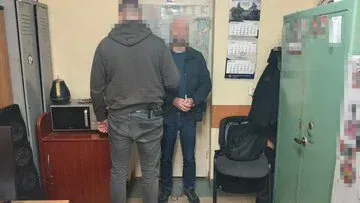
Warsaw, Poland — In a significant cybersecurity operation, Polish police have detained three Ukrainian nationals carrying sophisticated hacking and surveillance equipment capable of compromising critical national infrastructure. The December 8, 2025 arrests highlight the persistent threat of close-access cyber operations targeting NATO allies in Eastern Europe.
The Traffic Stop That Exposed a Potential Threat
During a routine traffic stop on Senatorska Street in Warsaw's Śródmieście district, officers from the Intelligence and Patrol Department noticed unusual behavior from three men traveling in a Toyota sedan. The suspects—aged 43, 42, and 39—displayed visible nervousness when questioned, claiming they were "traveling around Europe" and had arrived in Poland just hours earlier with plans to continue to Lithuania.
What began as standard procedure quickly escalated when officers conducted a thorough vehicle search, uncovering an arsenal of specialized cyber-espionage equipment that raised immediate national security concerns.
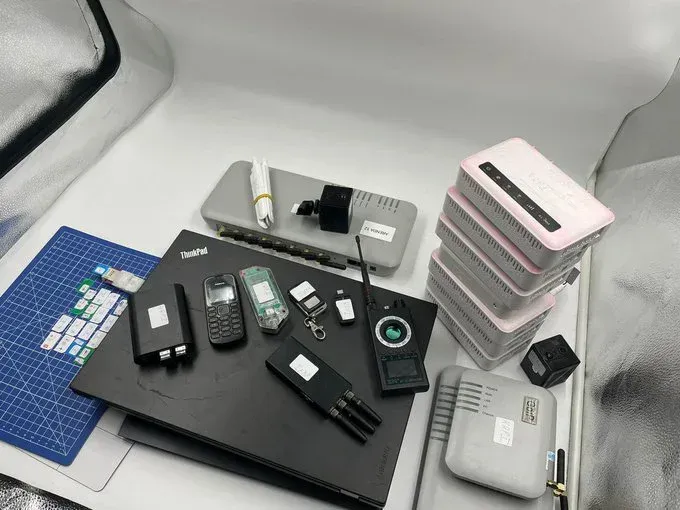
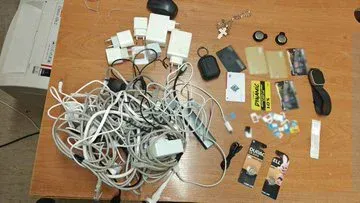
The Equipment Cache: Tools of Modern Cyber Warfare
The seized equipment represents a sophisticated toolkit designed for close-access cyber operations:
Primary Hacking Devices
Flipper Zero — The centerpiece of the seized equipment, this $169 portable multi-tool device has become controversial despite its legitimate security research applications. The Flipper Zero can:
- Read and emulate RFID cards (125 kHz) and NFC tags (13.56 MHz)
- Capture and replay wireless signals on Sub-GHz frequencies (300-928 MHz)
- Execute BadUSB attacks by emulating keyboards and mice
- Interact with infrared devices and remote controls
- Interface with iButton contact keys
- Perform hardware hacking via GPIO pins
While marketed as an educational pentesting tool, its capabilities make it particularly effective for unauthorized access to building security systems, vehicles using older keyless entry systems, and various IoT devices.
Supporting Infrastructure
The suspects' vehicle contained additional equipment suggesting preparation for extended, sophisticated operations:
- Spy device detector (likely a K19 or similar RF detection device)
- Multiple antennas for signal amplification and long-range operations
- Numerous SIM cards indicating potential for distributed operations or identity obfuscation
- Laptops with encrypted storage devices
- Routers for establishing covert network infrastructure
- Portable hard drives for data exfiltration
- Cameras for surveillance or documentation
The combination and quantity of equipment exceeded what security researchers would typically carry, suggesting operational rather than educational intent.
The Interrogation: Suspicious Behavior and Language Barriers
During questioning, the suspects claimed to be IT specialists but struggled to provide consistent explanations for their equipment. Most tellingly, they exhibited what investigators described as selective language comprehension—suddenly "forgetting" their English language skills when pressed with specific technical questions about the purpose and intended use of their tools.
This evasive behavior is consistent with trained operational security practices designed to frustrate interrogation and buy time for associated actors to secure their networks or destroy evidence.
Close Access Operations: The Overlooked Threat
The arrested individuals' equipment and behavior align with what cybersecurity experts call "Close Access Cyberspace Operations"—physical proximity-based attacks that bypass traditional remote security defenses.
Why Close Access Operations Are Effective
According to research published in the International Journal of Information Security, close access operations pose significant threats to targets that cannot be easily compromised through remote access mechanisms, particularly:
- Air-gapped classified networks
- Isolated Industrial Control Systems
- Critical infrastructure with network segmentation
- Facilities with robust perimeter security
These operations exploit the intersection of physical and cybersecurity—a gap that many organizations fail to adequately address when these disciplines remain separate.
Historical Precedents
The Polish arrests echo previous close-access operations:
The Hague, 2018 — Dutch military intelligence intercepted four GRU officers near the Organization for the Prohibition of Chemical Weapons (OPCW) headquarters. Their vehicle contained WiFi Pineapples and hacking equipment aimed at the organization's networks. The operation was part of Russia's response to the OPCW's investigation into the Novichok poisoning of a former GRU officer in the UK.
Global Anti-Doping Operations — Russian intelligence operatives traveled internationally to hotels hosting anti-doping conferences, targeting officials' WiFi-enabled devices after remote phishing attempts failed.
The Tools and Techniques
Common close access techniques include:
- Rogue Device Deployment — Malicious USB drives (like USB Rubber Ducky) left in accessible areas or directly connected to target systems
- Wireless Network Attacks — Creating fake access points with devices like WiFi Pineapples to intercept credentials
- RFID/NFC Cloning — Copying access cards to gain physical entry to facilities
- RF Signal Manipulation — Interfering with or capturing wireless communications
- Physical Network Taps — Installing monitoring devices on network infrastructure
Poland's Strategic Vulnerability
Poland's position makes it a particularly attractive target for close-access operations:
Geopolitical Factors
- NATO Eastern Flank — Poland serves as a critical buffer between NATO and Russian-aligned territories
- Energy Infrastructure — Vulnerable gas and electricity networks historically used as leverage by adversarial states
- Transit Hub — Major logistics routes connecting Eastern and Western Europe
- Military Presence — Home to NATO battlegroups and significant military infrastructure
Poland's Cybersecurity Posture
Despite these vulnerabilities, Poland has significantly strengthened its cyber defenses:
- Global Ranking — 6th position in MIT's Cyber Defense Index 2022/23, ahead of Japan, China, Switzerland, and the UK
- NATO Leadership — Assigned Regional Command responsibilities for cyber operations across Central and Eastern Europe during the 2023 Cyber Coalition exercises
- Institutional Strength — The independent Cyber Defense Forces (DKWOC) branch of the Armed Forces
- Investment Commitment — NATO's new 5% GDP defense spending target includes 1.5% specifically for cybersecurity and critical infrastructure
This robust posture likely contributed to the successful detection and interdiction of the suspected operation.
Legal Proceedings and Charges
The Warsaw Śródmieście-Północ District Prosecutor's Office filed multiple charges against the suspects:
- Computer Fraud — Attempting to unlawfully access or damage computer systems
- Fraud — Deceptive practices related to their activities
- Possession of Specialized Tools — Holding devices specifically adapted for committing crimes against national defense data systems
- Data Crimes — Obtaining or attempting to obtain computer data of particular importance to national defense
The court granted pretrial detention for three months while forensic analysis continues on the encrypted devices. Despite encryption, specialists from the Central Bureau for Combating Cybercrime (CBZC) successfully recovered critical evidence.
The Broader Investigation
Polish investigators are exploring several scenarios:
- Intelligence Gathering — Reconnaissance of government, military, or critical infrastructure networks
- Access Preparation — Establishing persistent footholds for future exploitation
- Active Operations — Ongoing attacks against specific targets
- Network Mapping — Surveying vulnerabilities in Polish telecommunications and IT infrastructure
- Training Exercise — Testing operational procedures and equipment in a NATO country
The timeline of their arrival and intended departure to Lithuania suggests either a planned operation in Poland or that Poland was a waypoint in a broader campaign across Eastern European NATO allies.
Defending Against Close Access Threats
Organizations can implement several countermeasures to mitigate close access risks:
Physical Security Integration
- Unified Governance — Bridge cybersecurity and facilities management reporting structures
- Access Control — Implement multi-factor authentication for both physical and logical access
- Visitor Management — Enhanced screening and monitoring of non-employees
- USB Port Control — Disable or restrict USB access on critical systems
Technical Defenses
- RF Monitoring — Deploy wireless intrusion detection systems like nzyme that fingerprint access points and detect anomalous RF signals
- Network Segmentation — Prevent lateral movement even if perimeter is breached
- Hardware Attestation — Verify device integrity during boot processes
- Endpoint Detection — Advanced monitoring for unusual device behavior
Human Factors
- Security Awareness — Train employees to recognize social engineering attempts and report suspicious individuals
- Threat Modeling — Include physical access scenarios in risk assessments
- Incident Response — Develop playbooks specifically for suspected physical intrusions
The Evolving Threat Landscape
This incident underscores several concerning trends in cyber warfare:
Democratization of Advanced Tools
The Flipper Zero retails for under $200 and has spawned an ecosystem of third-party hardware expansions and custom firmware. What once required nation-state resources is now accessible to criminal organizations and sophisticated threat actors.
Hybrid Warfare Tactics
The combination of physical presence and cyber capabilities reflects Russia's documented hybrid warfare strategy, which Poland has faced since at least 2014 through:
- Infrastructure sabotage
- Cyber operations
- Disinformation campaigns
- Weaponized migration
- Economic pressure
Supply Chain and Proximity Risks
As remote defenses strengthen, adversaries increasingly seek physical proximity to targets—whether through:
- Insider recruitment
- Supply chain compromise
- Close-access field operations
- Social engineering for physical access
Implications for NATO and Critical Infrastructure
The arrests demonstrate several critical points for alliance security:
Detection Capabilities Matter
Polish law enforcement's ability to identify suspicious behavior during routine operations prevented what could have been a significant intelligence loss or infrastructure compromise.
The Physical-Cyber Nexus
Traditional cybersecurity frameworks often overlook physical attack vectors. NATO's updated strategies now emphasize critical infrastructure protection with 1.5% of the 5% GDP defense spending target specifically allocated to cybersecurity and infrastructure resilience.
Regional Cooperation Requirements
The suspects' stated intention to travel to Lithuania highlights the need for coordinated threat intelligence sharing across borders. Close access operations rarely limit themselves to single jurisdictions.
Continuous Evolution
Adversaries constantly adapt their tactics, techniques, and procedures. The use of commercially available tools like Flipper Zero alongside professional-grade espionage equipment demonstrates sophisticated operational planning that blends accessible and specialized capabilities.
Conclusion: Vigilance in the Physical and Digital Realms
The Warsaw arrests serve as a stark reminder that cybersecurity extends beyond firewalls and encryption. In an era where a $169 device can potentially unlock physical security systems, copy access credentials, and interfere with wireless communications, organizations must adopt holistic security strategies that bridge physical and digital domains.
For NATO allies on the Eastern Flank, particularly Poland and the Baltic states, the threat of close-access operations remains acute. Russia's documented use of these tactics—from The Hague to hotel conference centers—demonstrates a persistent willingness to take operational risks when remote methods fail.
The success of Polish authorities in detecting and interdicting this suspected operation reflects significant investment in both technical capabilities and human expertise. However, as the threat landscape continues to evolve, maintaining vigilance requires ongoing adaptation, international cooperation, and recognition that in modern cyber warfare, the most dangerous attacks may arrive not through fiber optic cables, but in the trunk of a car parked outside your facility.
As the investigation continues, this case will likely provide valuable intelligence on threat actor methodologies, equipment capabilities, and targeting priorities—information that will strengthen defenses across NATO's Eastern Flank and beyond.
The investigation remains ongoing under the supervision of the Warsaw Śródmieście-Północ District Prosecutor's Office. Polish authorities have not disclosed the specific targets or objectives of the suspected operation, citing the sensitive nature of the ongoing investigation.
About the Incident:
- Date: December 8, 2025
- Location: Senatorska Street, Warsaw, Poland
- Suspects: Three Ukrainian nationals (ages 43, 42, 39)
- Charges: Computer fraud, fraud, possession of crime-adapted devices, data crimes
- Status: 3-month pretrial detention granted
- Equipment Seized: Flipper Zero hacking devices, spy detectors, antennas, laptops, routers, SIM cards, portable drives, cameras