In the rapidly evolving landscape of cyber threats, the Department of Defense Cyber Crime Center (DC3) stands as a testament to the power of collaboration. Since its establishment in 1998, this Federal Cyber Center and Center of Excellence for Digital and Multimedia Forensics has built an extensive network of partnerships that spans military, law enforcement, international allies, and private sector entities—all united in the mission to enable insight and action in cyberspace and beyond.
A Foundation Built on Partnership
DC3’s approach to cybersecurity is fundamentally collaborative. Rather than operating in isolation, the organization has cultivated a proactive network of strategic partnerships that amplify its capabilities and extend its reach across the globe. In 2024, this commitment to collaboration yielded remarkable results, with DC3 demonstrating significant global expansion and bringing advanced capabilities to the U.S. and Indo-Pacific regions.
The center’s vision—to deliver integrated and advanced capabilities and enhanced insights to partners worldwide—is realized through a multi-faceted approach that encompasses digital forensics, threat intelligence, training, and vulnerability management.
Department of Defense and Federal Partnerships
At its core, DC3 maintains deep roots within the Department of Defense through its Cyber Forensics Laboratory (CFL), which provides critical digital evidence processing and analysis for DoD investigations. The lab’s achievements in 2024 were substantial: completing 1,315 digital forensic examinations, processing 772 terabytes of data, and handling 680 evidence items. Notably, 301 of these examinations involved crimes against children, underscoring the center’s role in addressing some of the most serious cyber-enabled crimes.
A cornerstone of DC3’s DoD collaboration is the DoD–Defense Industrial Base (DIB) Collaborative Information Sharing Environment (DCISE). This operational hub serves as the nerve center for the DoD’s DIB Cybersecurity Program, actively assisting defense contractors in safeguarding unclassified DoD information and intellectual property. In 2024, DCISE demonstrated its proactive capabilities by issuing a critical alert about Volt Typhoon targeting DoD systems—notably, one day before widespread vulnerabilities were publicly disclosed.
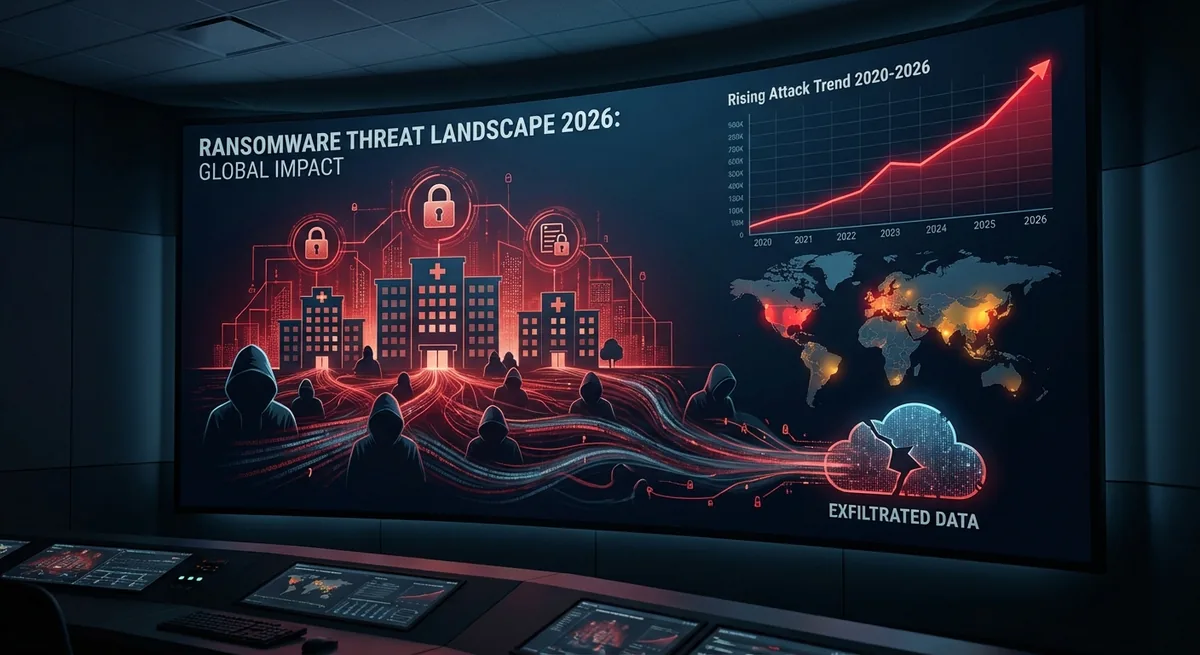
Beyond the DoD, DC3’s federal partnerships extend across multiple agencies. The Operations Enablement Directorate’s Analytical Group supported significant law enforcement efforts, including providing key evidence for a Department of Justice extradition of a Russian national involved in ransomware operations that extorted over $16 million. The center also briefed over 540 financial sector attendees on LockBit ransomware threats during a U.S. Department of Treasury conference.
Law Enforcement Collaboration
DC3’s commitment to law enforcement extends far beyond federal agencies. The center’s cryptocurrency team significantly expanded its partnerships in 2024, working with over 18 field offices and successfully tracing over $1.5 billion in ransoms. This capability proved crucial in combating ransomware operations and supporting investigations that led to significant arrests and convictions.
The development of the Law Enforcement Evidence & Data Repository (LEEDR) and its subcomponent, the Defense Forensic Evidence Networked Data Repository (DEFNDR), represents a major modernization effort to provide law enforcement with improved infrastructure for storing and managing digital evidence.
Global Reach and International Partnerships
DC3’s international footprint expanded dramatically in 2024, with the establishment of DC3-Pacific in Atsugi, Japan. This new facility, leveraging existing Naval Criminal Investigative Service infrastructure, addresses the rapidly increasing demand for digital forensic analysis in the Indo-Pacific Command region.
The center’s global engagement includes delivering 1,800 hours of training to foreign partners and facilitating a 10% increase in threat intelligence products disseminated to partners in the U.S. European Command and Indo-Pacific regions. DC3 analysts briefed on nation-state cyber activity at international events, including the 2024 Sydney Conference and NATO Cyber Threat Intelligence Conference.
A highlight of DC3’s international collaboration was hosting a multi-national delegation from the 4th International Counter Ransomware Initiative, demonstrating the center’s commitment to combating ransomware on a global scale.
Private Sector and Academic Collaboration
Recognizing that cybersecurity extends beyond government capabilities, DC3 has developed robust partnerships with private sector entities and academic institutions. The Defense Industrial Base Vulnerability Disclosure Program (DIB-VDP), launched in June 2024, exemplifies this approach by extending ethical hacking and crowdsourced cybersecurity efforts to defense contractors.
The program builds on the success of DC3’s DoD Vulnerability Disclosure Program, which leverages global crowd-sourced ethical hackers to identify vulnerabilities across DoD information systems. These combined efforts have protected the DIB from potentially catastrophic data losses, saving an estimated $475 billion in potential costs.
DC3’s collaboration with the MITRE Corporation on the Defense Forensic Evidence Networked Data Repository represents another example of how academic partnerships enhance the center’s capabilities through rigorous assessment and development processes.
Innovation Through Advanced Capabilities
DC3’s 2024 achievements showcase the center’s commitment to innovation. The Special Capabilities Group launched the Enhanced Network Sensor and Intelligent Threat Enumeration (ENSITE) Program, offering near real-time threat intelligence through AI/ML capabilities. The development of the DC3 Data Fusion Suite integrates cyber, counterintelligence, defense, and intelligence data across the DoD, providing unprecedented analytical capabilities.
The center’s Automated Malware Response application exceeded 5,000 submissions in fiscal year 2024—an all-time annual high—demonstrating the growing demand for malware analysis capabilities.
Training and Capacity Building
Education and training remain central to DC3’s mission. The Cyber Training Academy delivered 356,120 total training hours in 2024, including enhanced courses in Dark Web Activities, Online Undercover Activities, Managed Attribution, Mac Forensics, and Cryptocurrency Activities. This comprehensive training program ensures that DoD personnel and partners have the skills necessary to address evolving cyber threats.
Looking Forward
DC3’s network of partnerships represents more than just operational collaboration—it embodies a strategic approach to collective defense in cyberspace. By fostering strong alliances across military, law enforcement, international, and private sector entities, DC3 continuously enhances its ability to deliver innovative capabilities, conduct cutting-edge digital forensics, and provide critical threat intelligence.
As cyber threats continue to evolve and grow in sophistication, DC3’s collaborative model serves as a blueprint for effective cybersecurity operations. The center’s 2024 achievements demonstrate that no single entity can defend cyberspace alone, but through strategic partnerships and shared expertise, organizations can build resilient defenses that protect national security interests and critical infrastructure.
The future of cybersecurity lies not in isolated capabilities, but in the kind of collaborative networks that DC3 has pioneered—where shared intelligence, combined resources, and unified action create a formidable defense against the persistent and evolving threats in cyberspace.