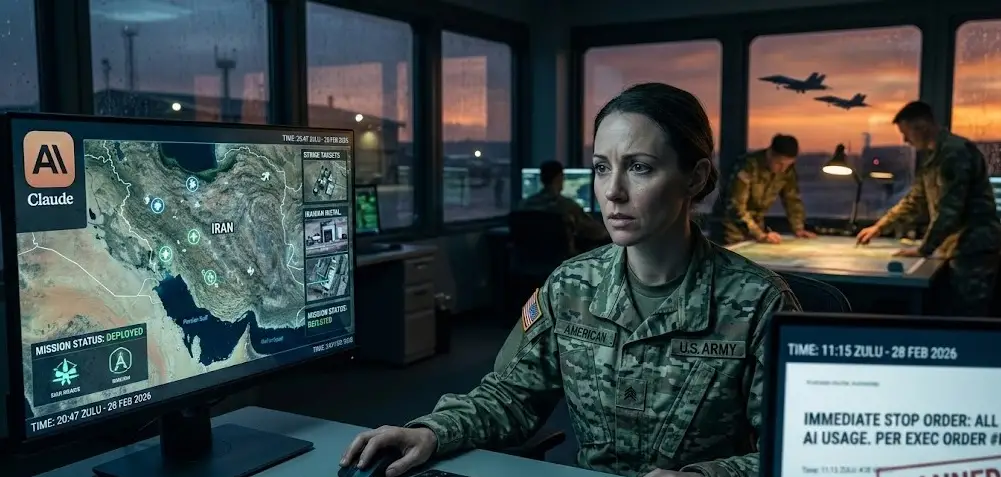
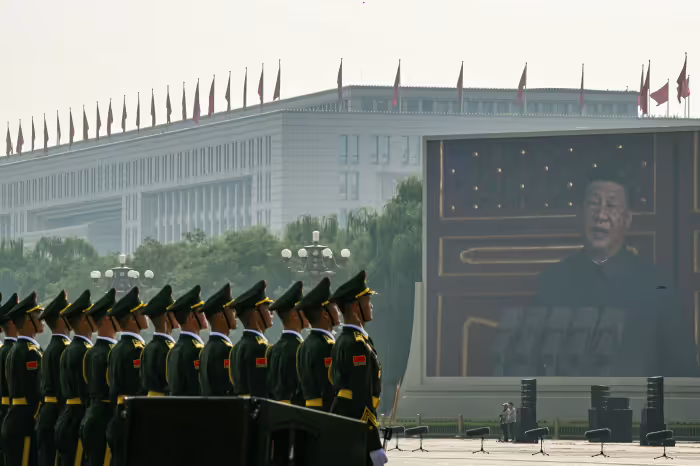
In an era where cyber threats are becoming increasingly sophisticated and frequent, some members of Congress are advocating for the creation of a new military branch dedicated exclusively to cyber warfare. This initiative, which underscores the growing recognition of cyberspace as a critical domain of conflict, aims to bolster the United States’ ability to defend against and counteract cyber threats.

The Need for a Specialized Cyber Warfare Branch
The proposal to establish a dedicated cyber warfare branch stems from several key factors:
- Rising Cyber Threats: Cyber attacks on critical infrastructure, government systems, and private enterprises are escalating. Nation-state actors, including adversaries like Russia, China, Iran, and North Korea, have demonstrated advanced capabilities in conducting cyber espionage, sabotage, and warfare.
- Integrated Cyber Defense: A specialized branch would streamline and enhance the coordination of cyber defense and offensive operations. Currently, cyber capabilities are dispersed across various military branches, leading to potential inefficiencies and gaps in response.
- Technological Advancements: The rapid evolution of cyber technologies necessitates a dedicated focus on developing cutting-edge cyber capabilities. A specialized branch would ensure that the U.S. stays ahead of adversaries in this fast-paced domain.
Section 702 and Its Alignment with the Five Eyes, Nine Eyes, and Fourteen Eyes AlliancesIntroduction
Section 702 of the Foreign Intelligence Surveillance Act (FISA), a key component of U.S. surveillance law, plays a significant role in the context of international intelligence-sharing alliances, namely the Five Eyes, Nine Eyes, and Fourteen Eyes. Understanding the interplay between Section 702 and these alliances offers insights into My Privacy BlogMy Privacy Blog
Congressional Support and Opposition
Support: Proponents argue that a separate cyber warfare branch would bring several advantages:
- Focused Training and Recruitment: By establishing a distinct branch, the military could create specialized training programs and attract top talent dedicated to cyber operations.
- Enhanced Operational Efficiency: A unified command structure would improve the execution of cyber missions and facilitate the integration of cyber operations with other military strategies.
- Improved Resource Allocation: Dedicated funding and resources for cyber operations would ensure that the branch has the necessary tools to effectively combat cyber threats.
Opposition: Critics of the proposal raise concerns about potential drawbacks:
- Bureaucratic Challenges: Creating a new branch could introduce additional layers of bureaucracy, potentially slowing down decision-making processes.
- Resource Competition: There is a risk that a new branch might compete with existing military services for limited resources and funding.
- Integration Issues: Ensuring seamless cooperation between the new branch and existing military and intelligence agencies could pose significant challenges.

Comparative Models
Other countries have already taken steps to centralize their cyber capabilities:
United Kingdom: The UK has established the National Cyber Force (NCF),
- which integrates cyber operations across military and intelligence agencies to defend national interests in cyberspace.
France: France’s Cyber Command (COMCYBER)
- is responsible for conducting defensive and offensive cyber operations, ensuring a coordinated approach to cyber threats.
United States: U.S. Cyber Command (USCYBERCOM)
- The United States established U.S. Cyber Command (USCYBERCOM) in 2009 to oversee cyber operations. USCYBERCOM integrates capabilities from the National Security Agency (NSA) and the Department of Defense (DoD) to conduct both defensive and offensive cyber operations.
Germany: Cyber and Information Space Command (KdoCIR)
- Germany’s Cyber and Information Space Command (KdoCIR) was established in 2017. It focuses on protecting Germany’s cyber infrastructure, conducting cyber operations, and integrating cyber capabilities across military branches.
Israel: Unit 8200
- Israel’s Unit 8200 is an elite military intelligence unit responsible for cyber espionage, cyber defense, and offensive cyber operations. It is renowned for its advanced technological capabilities and innovation in cyber warfare.

Cyber Command (COMCYBER) - France
France’s Cyber Command (Commandement de la Cyberdéfense - COMCYBER) was established in 2017 to consolidate the country’s cyber defense capabilities. COMCYBER is tasked with defending against cyber threats, conducting offensive cyber operations, and ensuring the security of French cyberspace.
Objectives and Functions
COMCYBER focuses on several key areas:
- Cyber Defense: Protecting military networks, critical infrastructure, and national institutions from cyber attacks.
- Offensive Cyber Operations: Engaging in cyber attacks to neutralize threats, disrupt adversarial operations, and support national security objectives.
- Cyber Resilience: Enhancing the resilience of French cyber infrastructure through continuous monitoring, threat analysis, and incident response.
- Collaboration and Coordination: Working with other government agencies, private sector partners, and international allies to strengthen cyber defenses and share intelligence.
Structure and Capabilities
COMCYBER operates under the French Ministry of the Armed Forces and is composed of various units specializing in different aspects of cyber operations:
- Centre d’Analyse en Lutte Informatique Défensive (CALID): Focuses on defensive measures and incident response.
- Centre des Opérations de Cyberdéfense (COC): Manages offensive cyber operations and strategic planning.
- Centre de Formation et d’Entraînement en Cyberdéfense (CFEC): Provides training and development for cyber defense personnel.
The National Cyber Force (NCF) - United Kingdom
The National Cyber Force (NCF) of the United Kingdom represents a significant evolution in the country’s approach to cyber operations. It integrates capabilities across military and intelligence sectors to protect national interests in cyberspace. Established in 2020, the NCF operates under the joint leadership of the Ministry of Defence (MoD) and the Government Communications Headquarters (GCHQ).
Objectives and Functions
The primary objectives of the NCF include:
- Defensive Operations: Protecting the UK’s critical infrastructure, government networks, and essential services from cyber attacks.
- Offensive Cyber Operations: Conducting cyber attacks to disrupt adversaries’ capabilities, gather intelligence, and support military operations.
- Cyber Intelligence: Collecting and analyzing information on cyber threats to inform government and military decision-making.
- Support to Law Enforcement: Assisting in tackling cybercrime and supporting national security operations.
Structure and Collaboration
The NCF is a collaboration between GCHQ, the MoD, the Secret Intelligence Service (MI6), and the Defence Science and Technology Laboratory (Dstl). This integration ensures a coordinated approach to cyber operations, leveraging the strengths of each organization:
- GCHQ: Provides expertise in signals intelligence and cyber security.
- MoD: Brings military operational planning and execution capabilities.
- MI6: Contributes intelligence operations and foreign intelligence gathering.
- Dstl: Offers scientific and technological research and innovation.
U.S. Cyber Command (USCYBERCOM)
Establishment and Mission
U.S. Cyber Command (USCYBERCOM) was established in 2009 to unify the cyber operations of the Department of Defense (DoD) and enhance the nation’s ability to conduct cyber warfare. It is headquartered at Fort Meade, Maryland, alongside the National Security Agency (NSA). The dual-hatted leadership structure means that the Commander of USCYBERCOM also serves as the Director of the NSA, ensuring a tightly integrated approach to cyber operations.
Key Functions and Capabilities
- Defensive Operations: USCYBERCOM is tasked with protecting DoD information networks and critical infrastructure from cyber threats. This involves constant monitoring, threat detection, and incident response to safeguard military and national security assets.
- Offensive Cyber Operations: The Command conducts offensive cyber operations to disrupt, degrade, or destroy adversary networks and capabilities. These operations are designed to support military objectives and national security interests.
- Cyber Intelligence Integration: USCYBERCOM works closely with the NSA to leverage its signals intelligence capabilities. This collaboration enhances the Command’s ability to gather, analyze, and act on cyber threat intelligence.
- Joint Force Support: The Command provides cyber support to joint military operations, ensuring that cyber capabilities are integrated into broader military strategies and tactical missions.
Organizational Structure
USCYBERCOM is composed of several subordinate units, including:
- Army Cyber Command (ARCYBER)
- Fleet Cyber Command (FLTCYBERCOM)
- Air Forces Cyber (AFCYBER)
- Marine Corps Forces Cyberspace Command (MARFORCYBER)
- Cyber National Mission Force (CNMF)
These units enable USCYBERCOM to conduct a wide range of operations, from tactical cyber engagements to strategic national defense initiatives (MSSP Alert).
Germany: Cyber and Information Space Command (KdoCIR)
Establishment and Mission
The Cyber and Information Space Command (Kommando Cyber- und Informationsraum, KdoCIR) was established in April 2017 to centralize Germany’s cyber defense capabilities. It operates under the Bundeswehr (German Armed Forces) and is headquartered in Bonn.
Key Functions and Capabilities
- Cyber Defense: KdoCIR is responsible for protecting the Bundeswehr’s IT systems and networks from cyber attacks. This includes implementing robust cybersecurity measures and responding to cyber incidents.
- Offensive Cyber Operations: The Command conducts offensive cyber operations to disrupt potential threats and adversarial capabilities. These operations support Germany’s national defense and security objectives.
- Information Warfare: KdoCIR engages in information operations to influence, disrupt, corrupt, or usurp adversarial decision-making processes. This includes psychological operations and strategic communications.
- Research and Development: The Command focuses on developing advanced cyber capabilities and technologies to stay ahead of emerging threats. This includes partnerships with academic institutions and private sector entities.
Organizational Structure
KdoCIR is composed of several units, including:
- Cyber Operations Center (ZCO)
- Bundeswehr Cyber Security Center
- Strategic Reconnaissance Command (KSA)
These units work together to provide comprehensive cyber defense and offensive capabilities, ensuring a coordinated approach to cyber threats (MSSP Alert) (shape.nato.int).
Israel: Unit 8200
Establishment and Mission
Unit 8200 is part of the Israel Defense Forces (IDF) and is responsible for signal intelligence (SIGINT) and cyber operations. It is often compared to the NSA in terms of its capabilities and mission scope.
Key Functions and Capabilities
- Cyber Espionage: Unit 8200 is renowned for its cyber espionage capabilities, collecting intelligence on a wide range of targets including foreign governments, terrorist organizations, and other entities.
- Cyber Defense: The unit is responsible for defending Israel’s critical infrastructure and military networks against cyber threats. This includes implementing advanced cybersecurity measures and responding to incidents.
- Offensive Cyber Operations: Unit 8200 conducts offensive cyber operations to disrupt and neutralize adversarial capabilities. These operations support Israel’s national security and military objectives.
- Technological Innovation: The unit is a hub of technological innovation, developing cutting-edge cyber tools and techniques. Many of Israel’s high-tech cybersecurity startups have roots in Unit 8200, benefiting from the expertise and experience gained within the unit.
Organizational Structure
While specific details about Unit 8200’s structure are classified, it is known to consist of various specialized sub-units that focus on different aspects of cyber operations and intelligence gathering. The unit collaborates closely with other branches of the IDF and Israel’s intelligence community, ensuring a comprehensive approach to cyber defense and operations (MSSP Alert) (shape.nato.int).
The establishment of dedicated cyber commands like the UK’s NCF and France’s COMCYBER reflects the increasing importance of cyberspace as a domain of military operations. These specialized units enable countries to better defend against cyber threats, conduct offensive operations, and collaborate with international partners to enhance global cybersecurity. The establishment of specialized cyber commands in the United States, Germany, and Israel underscores the critical importance of coordinated cyber defense and offensive capabilities in modern military strategy. These units not only protect national interests but also contribute to the global effort to counter increasingly sophisticated cyber threats.

Potential Structure and Mission
The proposed cyber warfare branch would likely encompass several key components:
- Cyber Defense Operations: Protecting U.S. military networks and critical infrastructure from cyber attacks.
- Offensive Cyber Operations: Conducting cyber attacks to disrupt adversaries’ capabilities and gather intelligence.
- Cyber Intelligence: Analyzing cyber threats and providing actionable intelligence to support military and national security operations.
- Research and Development: Innovating and deploying new technologies to maintain a technological edge in cyberspace.
Conclusion
The proposal to create a new military branch specializing in cyber warfare highlights the increasing importance of cyberspace as a domain of conflict. As cyber threats continue to evolve, the establishment of a dedicated cyber warfare branch could significantly enhance the United States’ ability to defend against and respond to these threats. However, careful consideration of the potential challenges and impacts on existing military structures will be crucial in determining the feasibility and effectiveness of this initiative.
For further details, you can read the full article on American Homefront.