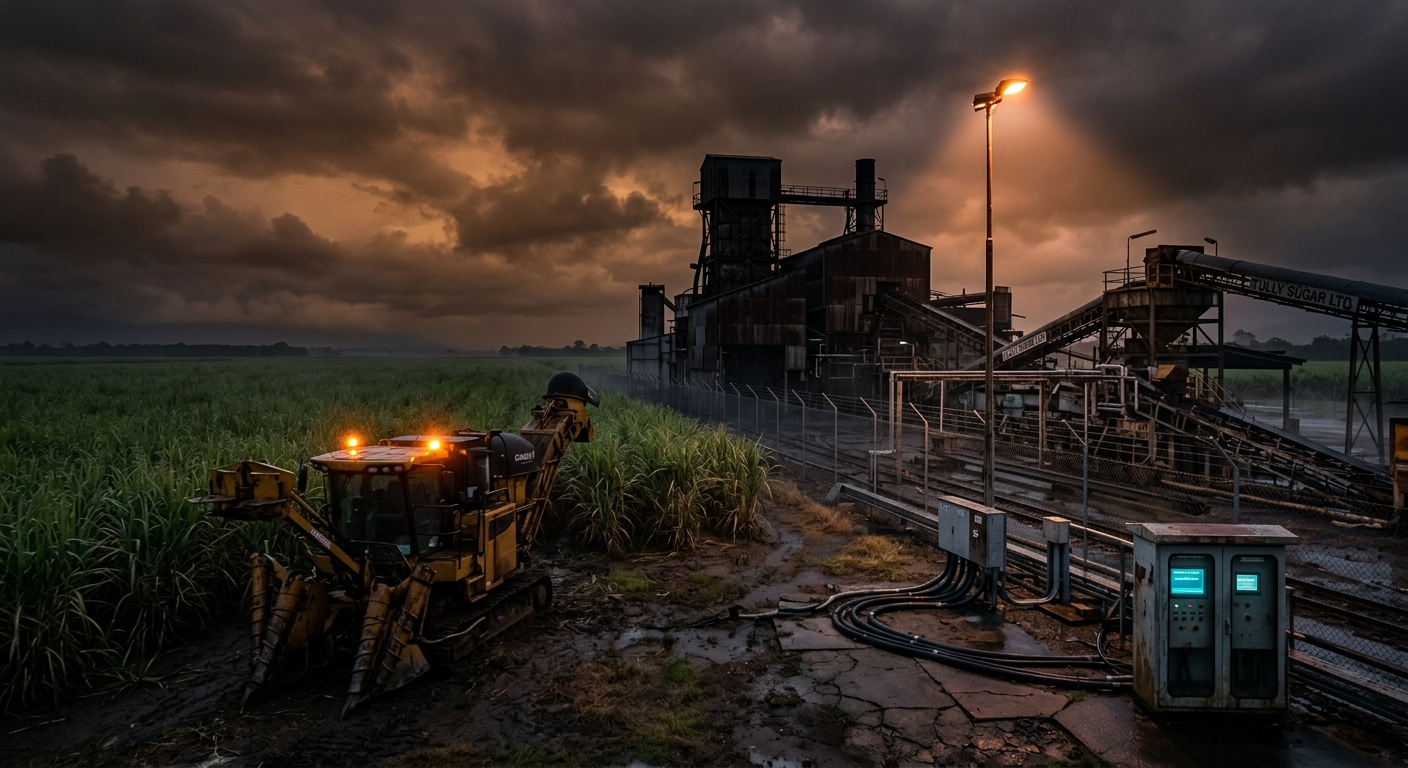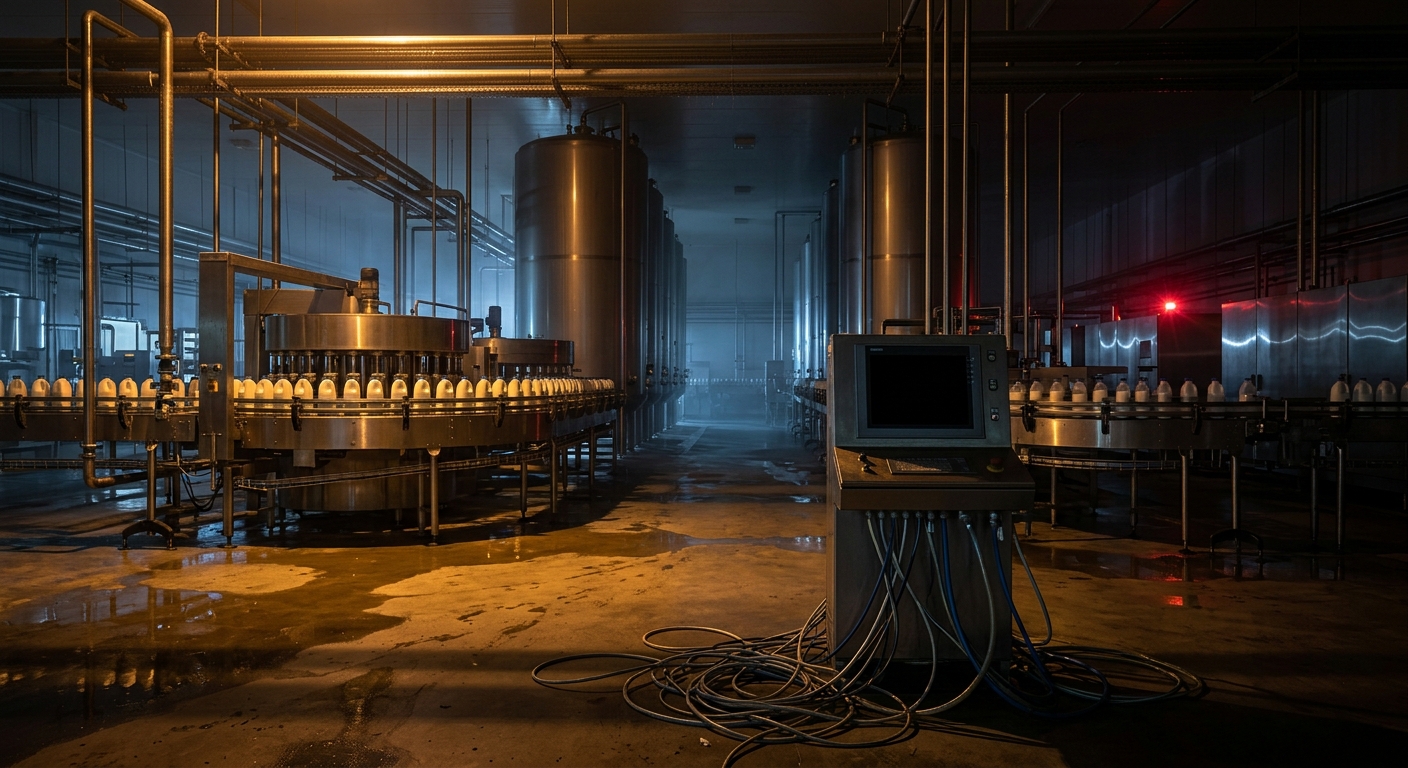
A ransomware attack has brought Coca-Cola’s Fairlife dairy business to a standstill in the United States, forcing the company to suspend production at every American facility after attackers reached its production-related systems. Coca-Cola disclosed the incident on July 16, 2026, in a Form 8-K filed with the U.S. Securities and Exchange Commission — the kind of filing reserved for events a public company considers material.
What Coca-Cola disclosed
According to the 8-K, Fairlife, LLC identified unauthorized access by a third party to a portion of its systems — including its production-related systems — in connection with a ransomware event. As a result, production operations at Fairlife’s U.S. facilities are temporarily suspended while the company responds and restores impacted systems.
Fairlife’s Canadian production operations are not currently affected, Coca-Cola said. The company stressed that product quality and safety have not been impacted by the attack.
Coca-Cola says it promptly activated its incident response and business continuity protocols, engaged outside cybersecurity experts, and notified law enforcement. Its investigation into the scope and impact of the intrusion is ongoing. As of disclosure, no ransomware group has claimed responsibility, and Coca-Cola has not publicly attributed the attack.
Why “production-related systems” is the line that matters
Most ransomware disclosures are about stolen data. This one is about stopped machines. The single most important phrase in the filing is that the intrusion touched production-related systems — the operational technology (OT) and IT that actually run a dairy plant’s filling lines, batching, and packaging.
When ransomware reaches those systems, the damage isn’t a future privacy risk; it’s an immediate, visible halt. Fairlife is a ~$4 billion brand — one of Coca-Cola’s fastest-growing — and its ultra-filtered milk and Core Power protein drinks are made-to-move perishables. A nationwide production pause ripples fast: empty filling lines, milk supply commitments to dairy farmers, and bare shelves for a product with a short clock. Whether the attackers actually crossed from IT into OT or Fairlife pulled production defensively to contain the spread, the outcome for the business is the same — everything stops.
Part of a brutal stretch for manufacturers
Fairlife lands in the middle of a punishing run for industrial and consumer-goods producers. This week alone, a coordinated ransomware wave hit Japanese manufacturing and telecom giants Nidec and KDDI, and Colombia’s energy giant Ecopetrol blocked a ransomware attempt but still lost data to extortion.
The pattern is consistent: attackers have learned that factories can’t afford downtime, which makes production environments the highest-leverage target in the extortion economy. A stolen database is a slow-burn negotiation; a frozen filling line is a countdown clock with the victim’s cash flow attached. That leverage is exactly why manufacturing has become ransomware’s favorite vertical.
The convergence problem
Fairlife’s shutdown is a case study in IT/OT convergence risk. Modern food and beverage plants run on networked control systems, MES platforms, and cloud-connected production tooling — efficient, and reachable. Once an attacker is on the corporate network, the path to the systems that run the plant is often shorter than it should be, and the safest response to uncertainty is to pull the plant offline rather than risk contaminated or unsafe output.
Coca-Cola hasn’t said whether the attackers demanded a ransom, exfiltrated data, or breached OT directly — only that production stopped. Those answers will determine whether this is remembered as a contained scare or a landmark OT ransomware incident. For now, the headline is simple and stark: hackers turned off one of America’s biggest dairy brands.
Sources
- BleepingComputer — Coca-Cola says Fairlife ransomware attack halts US dairy production
- SEC — Coca-Cola Company Form 8-K (ko-20260716)
- Cybersecurity Dive — Ransomware attack forces Coca-Cola to suspend production at dairy unit
- The Register — Ransomware curdles production at Coca-Cola’s Fairlife dairy biz
- TechCrunch — Coca-Cola suspended production at its Fairlife dairy after a ransomware attack