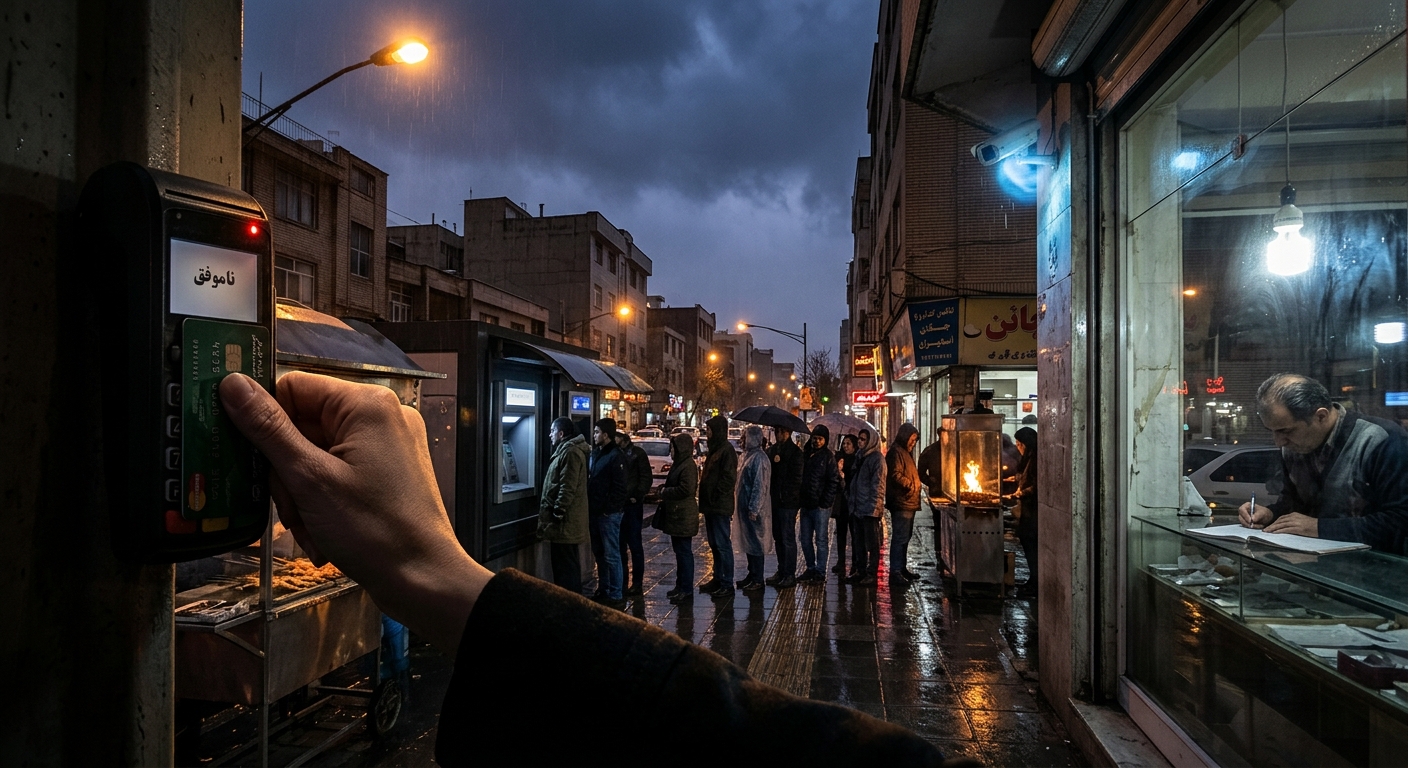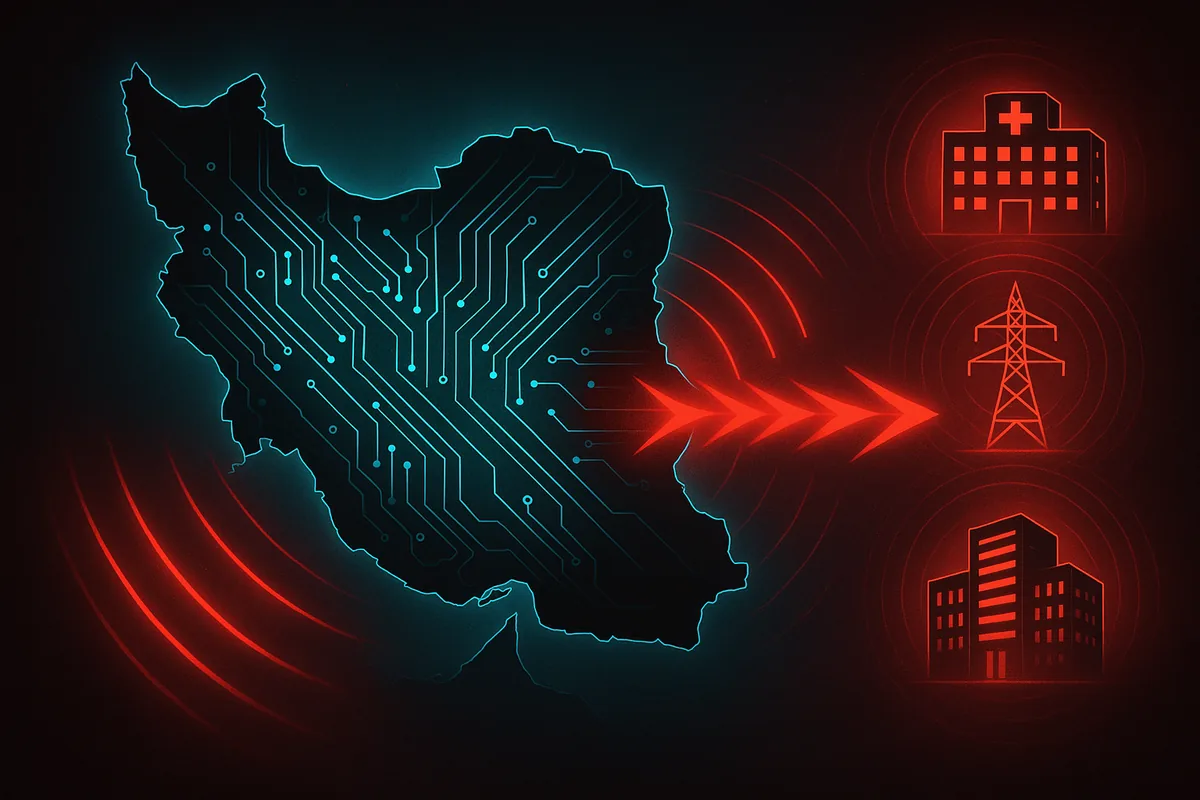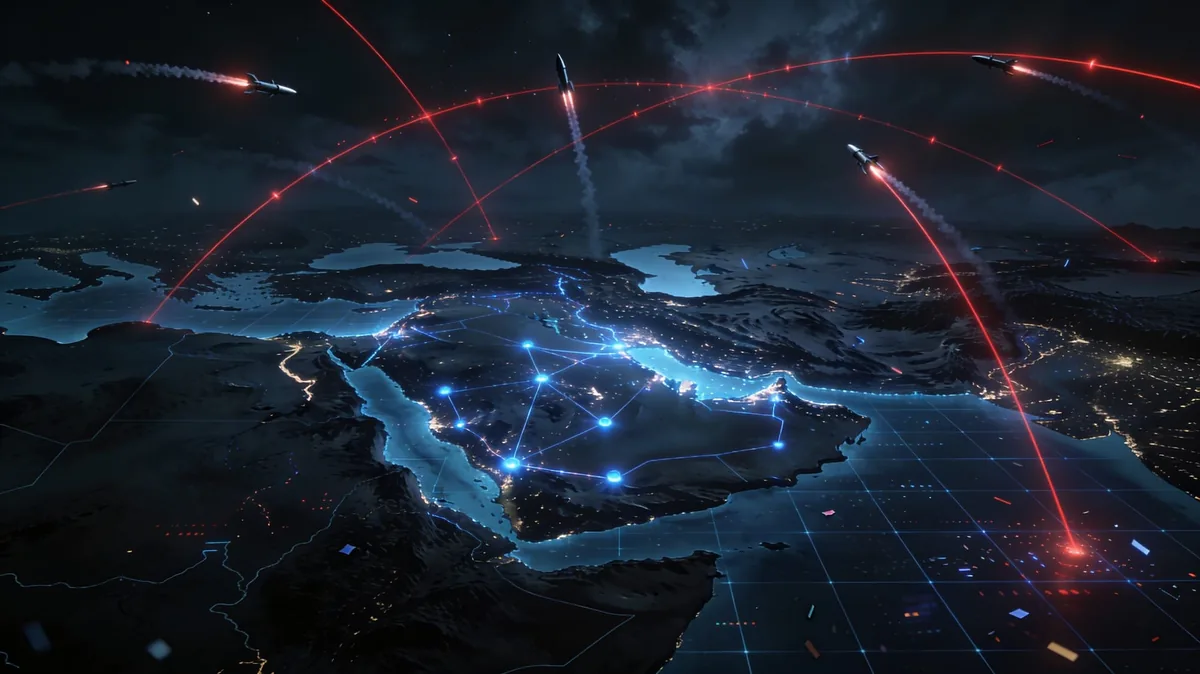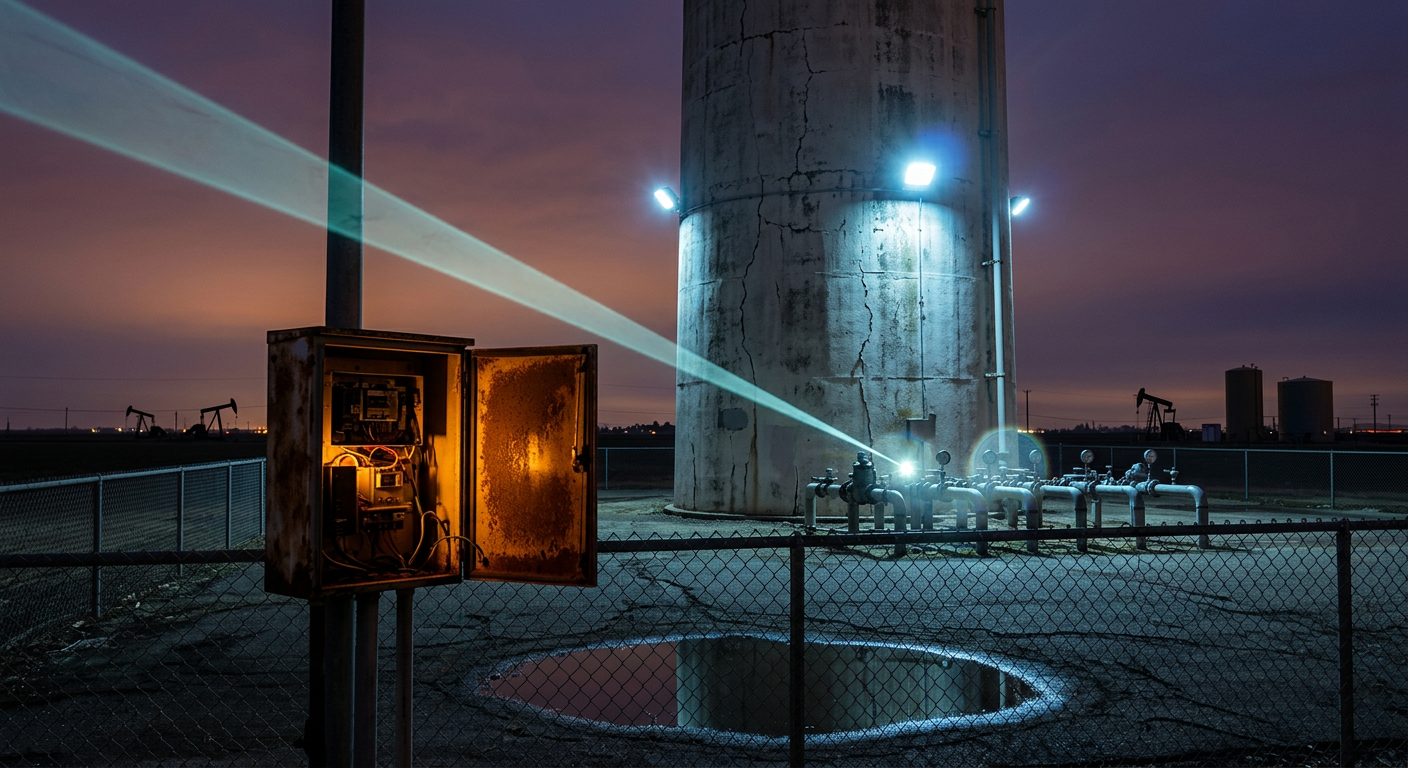
The claim arrived two days after the missiles. On June 12, 2026, an Iran-linked cyber group calling itself Handala announced it had breached California Water Service (Cal Water), naming Bakersfield, Visalia, and Chico among the affected systems and publishing screenshots it said showed residents’ water bills as proof. The stated motive was explicit and immediate: retaliation for U.S. military strikes that, on June 10, damaged two water reservoirs in the southern Iranian port town of Sirik, reportedly leaving some 20,000 residents without safe drinking water during a heat wave.
The symmetry is the message. Strike Iran’s water; hit California’s water back. Whether the breach is as deep as Handala claims is a separate question from whether the group achieved its real objective — which was to put the words “California water system hacked” into headlines while the Sirik strikes were still fresh.
What Handala says it took
According to the group, the compromised assets are the customer billing database and a GPS correction server belonging to the water utilities serving the named cities. Handala published screenshots that purportedly reference a wider list of California locations — Chico, Bakersfield, Visalia, Salinas, Stockton, and San Mateo — and that allegedly display customer account records, payment histories, billing information, service addresses, and authentication activity. The group claims to have exfiltrated roughly 5GB of data.
The critical caveat, repeated by multiple analysts: there is no evidence that operational technology (OT) or industrial control systems (ICS) — the equipment that actually treats and moves drinking water — were affected. A breach of a billing system is a serious data-privacy incident. It is not the same thing as seizing control of pumps, valves, or chemical dosing. Handala’s framing deliberately blurs that line, because “we hacked a water company” lands far harder in the public imagination than “we copied a customer payments database.” For residents, the realistic risk from this incident is exposure of personal and financial information, not contaminated taps.
Who Handala actually is
Handala is not a freelance hacktivist crew. It is a public-facing persona of VOID MANTICORE, an Iran-linked group known for destructive cyber operations, hack-and-leak campaigns, and psychological operations. That lineage is the key to reading this incident correctly. VOID MANTICORE’s playbook is not quiet espionage; it is noise — breach something, leak a sample, claim more than was taken, and let the fear do work that the data alone could not. The Handala brand exists to amplify, to taunt, and to convert modest intrusions into outsized political signals.
That makes verification essential and difficult. Groups in this mold routinely inflate the scope of what they’ve stolen, recycle old data, or stitch together screenshots to imply access they may not have. Cal Water’s own confirmation and any independent forensic findings — not the attacker’s Telegram post — are what should ultimately define the breach. As of the claim, the screenshots are the group’s evidence, and screenshots are exactly the kind of proof a psychological operation is built to manufacture.
A water sector that keeps getting targeted
Whatever the true depth of the Cal Water intrusion, the targeting is not an aberration. Water and wastewater utilities have become a favored target for politically motivated actors precisely because they are critical, emotionally resonant, and chronically under-resourced on cybersecurity. Many are small municipal operations running legacy systems with thin IT staff — soft targets that deliver hard psychological returns when struck.
This incident is also one half of a matched pair. In a near-simultaneous development, a cyberattack disrupted services at four major Iranian banks, and the broader Israel-Iran-U.S. cyber theater has produced a steady cadence of tit-for-tat operations against infrastructure on all sides — the dynamic we mapped in the cyber proxy war fought through hacktivist coalitions and the campaigns against Iranian maritime systems. Kinetic strikes and cyber retaliation are now openly coupled: bomb a reservoir in Sirik, and within 48 hours a billing database in Bakersfield is on a leak site.
What utilities and residents should take from it
For water utilities, Handala’s claim is a prompt to revisit the fundamentals — and to internalize that the billing system is part of the attack surface, not an afterthought behind the OT firewall. Segment IT from OT rigorously so that a customer-records breach can never become a pathway to control systems. Enforce phishing-resistant MFA. Monitor for the kind of public-facing leak that is itself part of these groups’ strategy. CISA and sector bodies have repeatedly flagged Iran-linked interest in U.S. water infrastructure; this is that warning made concrete.
For residents in the named cities, the practical guidance is the data-breach playbook, not panic about the tap: watch for phishing and fraud using leaked billing details, be skeptical of unexpected “water bill” communications, and monitor financial accounts. The water is almost certainly fine. The personal data may not be — and that, for a group like Handala, was always the more achievable prize. The headline about the water was just the delivery vehicle.
Sources
- SecurityWeek — Iranian cyber group Handala claims Cal Water hack
- SJV Water — Iranian hacker group alleges it breached Bakersfield, Visalia, Chico water systems
- Dataminr — Cyber Intel Brief: Handala claims breach of California Water Service
- Rescana — Handala cyberattack claims: Iranian group targets California water utility billing systems
- Free Press Journal — Iran-linked hackers claim breach of California water systems in retaliation for Sirik strike