The Cybercrime Flywheel: How Supply Chain Attacks Built a $10.5 Trillion Shadow Economy
The $10.5 Trillion Question: How Did We Get Here?
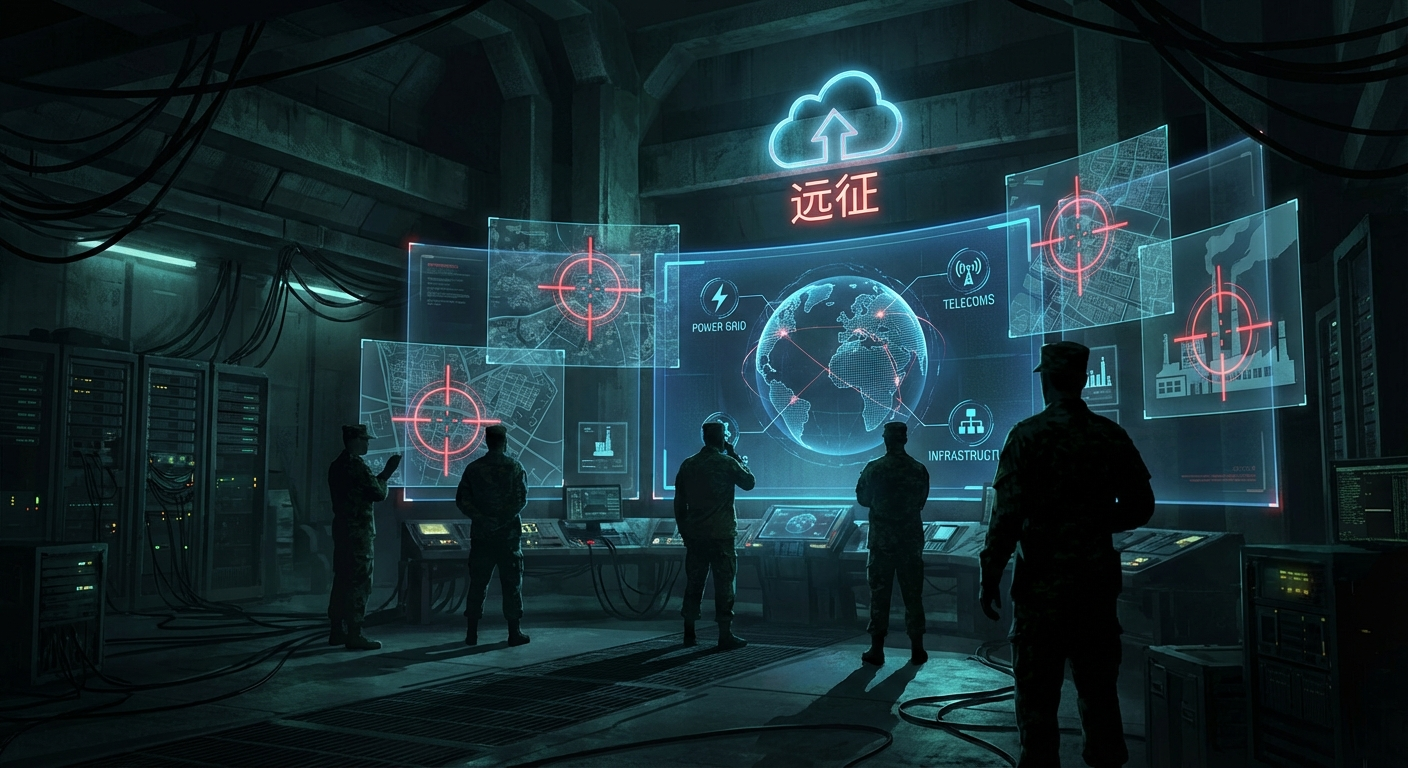
If cybercrime were a nation, it would be the world’s third-largest economy.
At $10.5 trillion annually—a figure projected by Cybersecurity Ventures for 2025—the global cybercrime economy now surpasses every country on Earth except the United States and China. And at the heart of this shadow economy sits a particularly insidious growth engine: supply chain attacks.
The numbers are staggering:
- Supply chain attacks have surged 431% between 2021 and 2023
- 30% of all data breaches now involve a third party (doubled YoY)
- 845,000+ malicious packages identified in open-source registries
- Projected supply chain attack costs: $138 billion by 2031
But raw statistics fail to capture the most troubling development: cybercrime has industrialized.
Understanding the Flywheel
The “flywheel effect” comes from business strategy—a virtuous cycle where each element reinforces the others, building momentum that becomes increasingly difficult to stop. Cybercrime has built its own flywheel, and supply chain attacks are the grease that keeps it spinning.
The Six Stages
Stage 1: Initial Capital — In 2024, cryptocurrency ransomware payments totaled $813.55 million. Add stolen data sales and BEC proceeds, and operational capital exceeds $3 billion annually.
Stage 2: Tool Development — Revenue funds custom malware, zero-day exploits ($10K-$2.5M), bulletproof infrastructure, and AI-powered attack automation.
Stage 3: Talent Acquisition — Malware developers command $100K-$300K annually. The 8% growth in the global cyber skills gap means legitimate employers struggle while criminal enterprises recruit aggressively.
Stage 4: Service Expansion — The cybercrime economy has matured into specialized services: Ransomware-as-a-Service (RaaS), Malware-as-a-Service (MaaS), Initial Access Brokers (IABs).
Stage 5: Efficiency Gains — Division of labor creates assembly-line efficiency. IABs breach networks; ransomware operators encrypt; money launderers cash out.
Stage 6: More Profits — Better tools and specialization produce higher success rates. Profits flow back to Stage 1, and the flywheel spins faster.
Why Supply Chain Attacks Are the Force Multiplier
- Capital Efficiency: SolarWinds breached ~18,000 organizations with a single trojanized update
- Access Scaling: A compromised vendor provides access to all their customers
- Detection Evasion: Malware through trusted updates bypasses perimeter defenses
- Attribution Difficulty: Multiple layers complicate investigation
Three Case Studies
SolarWinds SUNBURST (2020)
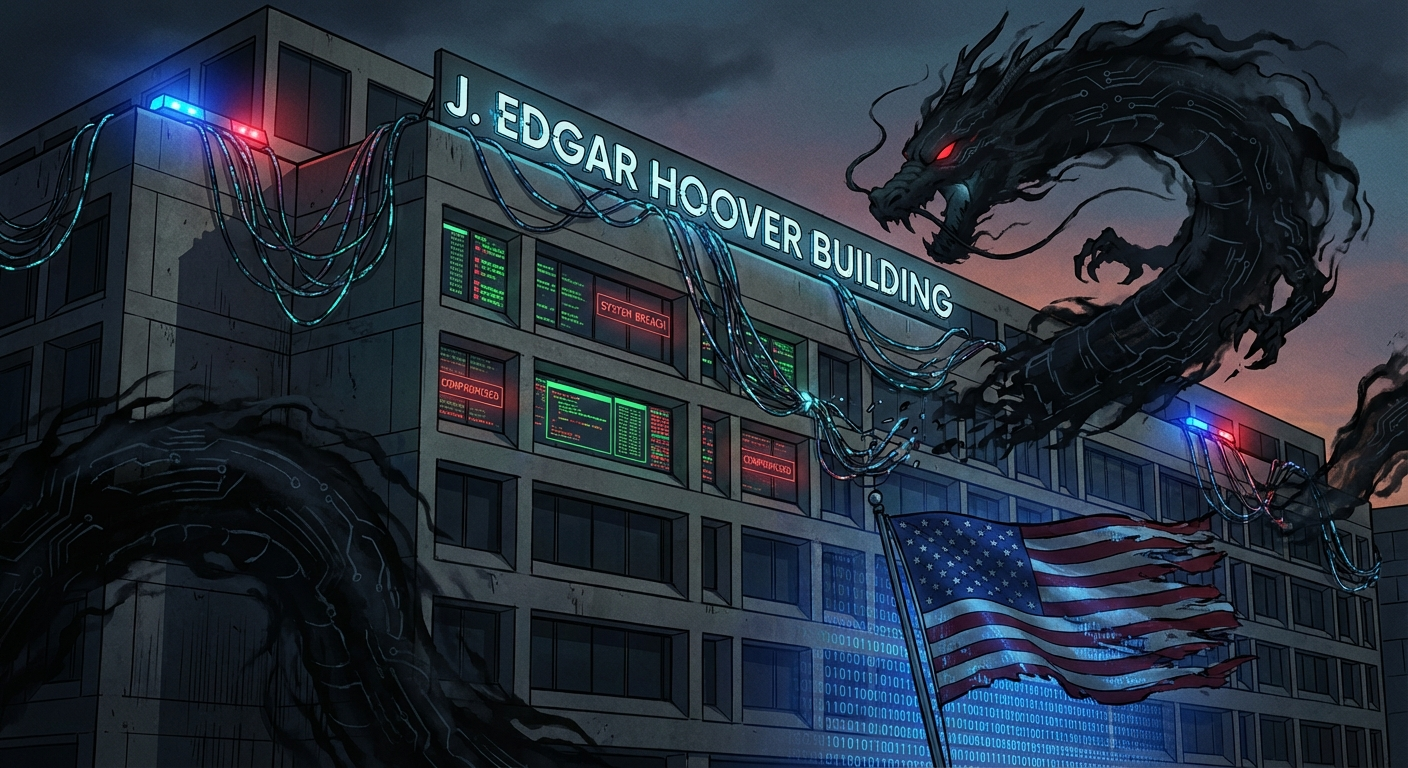
Russian intelligence operatives compromised SolarWinds’ build environment, inserting SUNBURST malware during compilation.
Impact: ~18,000 organizations installed trojanized updates, including U.S. Treasury, Commerce, and Homeland Security. Combined recovery costs exceeded $90 million.
3CX Supply Chain Compromise (2023)
The first documented “supply chain of supply chain” attack. Trading Technologies’ X_TRADER was trojanized → 3CX employee downloaded it → attackers stole credentials → 600,000+ organizations received malicious updates.
XZ Utils Backdoor (2024)
An attacker spent over two years building trust, making legitimate contributions, then injecting an obfuscated backdoor discovered days before reaching stable Linux releases—purely because a Microsoft engineer noticed SSH connections were slower than expected.
Pattern: Build systems are the target; patience pays off; detection is often accidental.
The Economics of Access: The IAB Marketplace
Initial Access Brokers (IABs) focus exclusively on breaching networks and selling access—the locksmiths of cybercrime.
- 380 active IABs (up from 262)
- 58% of access deals cost less than $1,000
- Average price dropped 60% due to competition
| Access Type | Price Range |
|---|---|
| Basic RDP | $200-$500 |
| VPN Access | $500-$1,500 |
| Domain Admin | $1,500-$5,000 |
| High-Value Enterprise | $10,000+ |
For defenders: A ransomware affiliate with $1,000 can now buy their way into a corporate network. No technical skills required.
Ransomware-as-a-Service Economics
Revenue Split: Operator (20%) vs Affiliate (80%)
Unit Economics for a Typical Affiliate:
| Item | Amount |
|---|---|
| IAB access purchase | -$1,000 |
| Operating costs | -$500 |
| Average ransom collected | $50,000 |
| Operator’s cut (20%) | -$10,000 |
| Net profit per success | $38,500 |
At 30% success rate: 10 attempts × $1,500 = $15,000 investment → 3 successes × $38,500 = $100,500 profit (670% ROI).
Breaking the Cycle: Defense Strategies
1. SBOM Implementation
A Software Bill of Materials is a comprehensive inventory of all components in your software. When 70-90% of modern applications consist of open source, knowing what’s inside is non-negotiable.
2. Build Pipeline Hardening
- Isolation: Air-gap build systems from corporate networks
- Attestation: Implement SLSA framework (target Level 3)
- Reproducibility: Enable bit-for-bit identical builds
3. Third-Party Risk Management
Move beyond annual questionnaires:
- Continuous monitoring via security ratings
- Contractual requirements: SBOM delivery, 24-72h breach notification
- Apply Zero Trust to all vendor connections
4. Detection Over Prevention
With 30% of breaches involving third parties, the attack surface is too large for prevention alone.
- Profile normal behavior for critical software
- Test updates in isolated environments
- Watch for unexpected outbound connections
Practical Defense Checklist
Immediate (This Quarter)
- Generate SBOMs for 10 most critical applications
- Inventory all vendor software with network/admin access
- Review auto-update procedures for production systems
Near-Term (This Half)
- Correlate SBOMs with CVE databases
- Add SBOM requirements to new vendor contracts
- Conduct supply chain tabletop exercise
Strategic (This Year)
- Achieve SLSA Level 2+ for critical internal software
- Implement continuous vendor monitoring
- Develop supply chain IR playbooks
Questions Boards Should Ask
- “How would we know if software we rely on was compromised?”
- “What percentage of our critical applications have we inventoried?”
- “Which three vendors, if compromised, would most impact our operations?”
- “Do we have a tested plan for operating without critical vendor software?”
The Bottom Line
Cybercrime is a $10.5 trillion economy with supply chains, service providers, and investment returns that rival legitimate businesses. Supply chain attacks are both the product and the fuel—they provide maximum victim impact from minimum attacker investment.
The flywheel is spinning. Slowing it requires:
- From perimeter defense to supply chain awareness
- From prevention-only to detection-and-response
- From point-in-time to continuous monitoring
- From individual defense to collective action
The $10.5 trillion shadow economy was built methodically. Dismantling it will take action.
For more supply chain security insights, follow @cisomarketplace or subscribe to our weekly intelligence briefing.